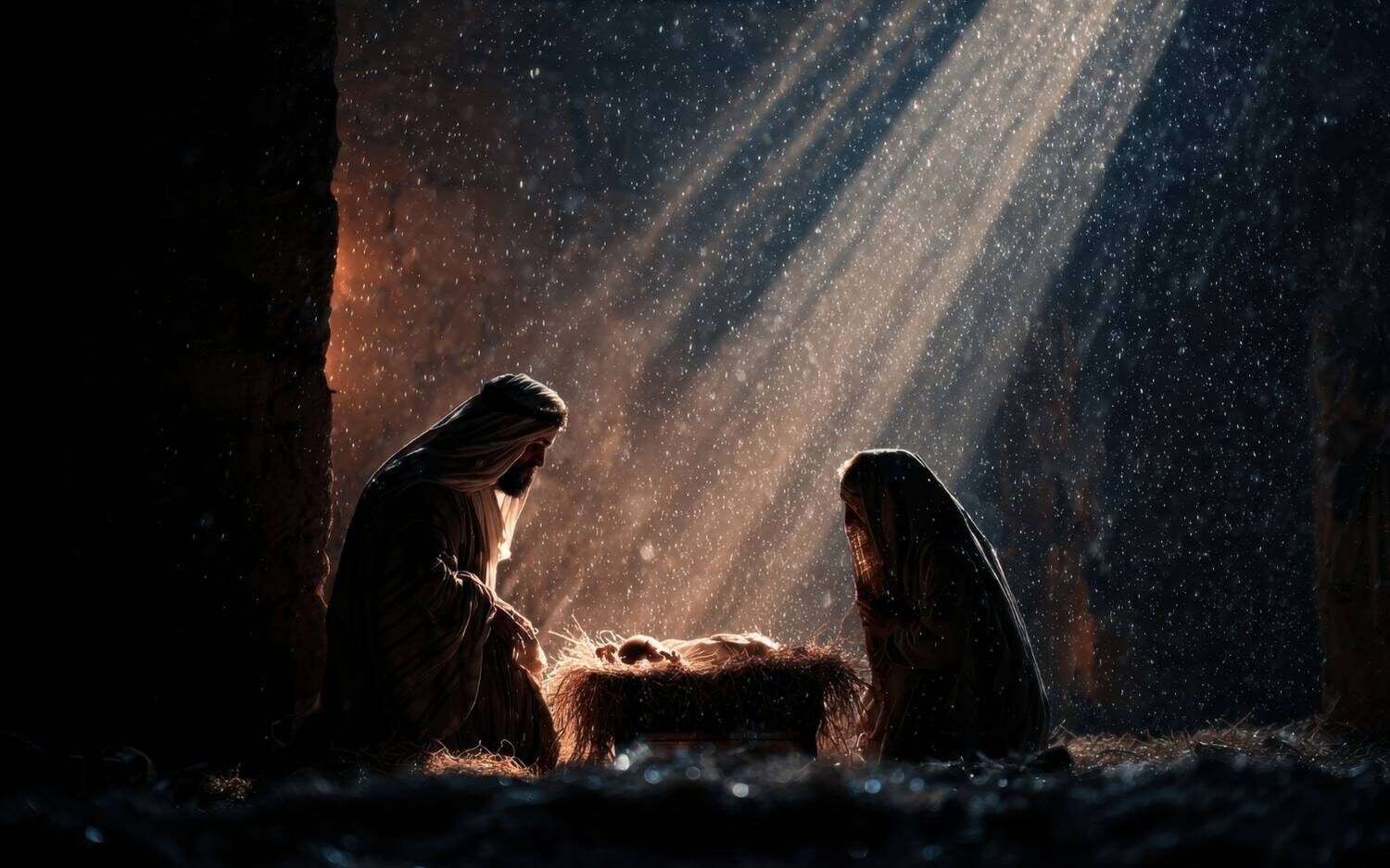
One of my favorite book genres is mysteries. I like reading the whodunit novels and trying to solve the mystery of who the perpetrator is. As we come to this wonderful season, celebrating Messiah’s birth, the Hebrew Scriptures present us with clues that help us solve the mystery of the Messiah—not of “who did it?” but, rather, “who is it?” The Hebrew prophets recorded in Scripture the answers to important questions about how the Messiah would come, from where the Messiah would come, and why the Messiah would come.
The prophet Isaiah gave us clear clues as to how the Messiah would come. In Isaiah 9:6, he wrote, “For a child will be born to us, a son will be given to us; and the government will rest on His shoulders; and His name will be called Wonderful Counselor, Mighty God, Eternal Father, Prince of Peace.” In this verse, Isaiah tells us that the Messiah would be born fully human, yet His names indicates that He would also be fully God. Those names are all titles associated with God.
Isaiah also tells us this birth would not be ordinary. He wrote in Isaiah 7:14, “Therefore the Lord Himself will give you a sign: Behold, a virgin will be with child and bear a son, and she will call His name Immanuel.” The Hebrew name Immanuel means “God with us.” Isaiah’s announcement of the virgin birth proclaims that the Messiah would be born supernaturally and miraculously, fully human yet also fully God.
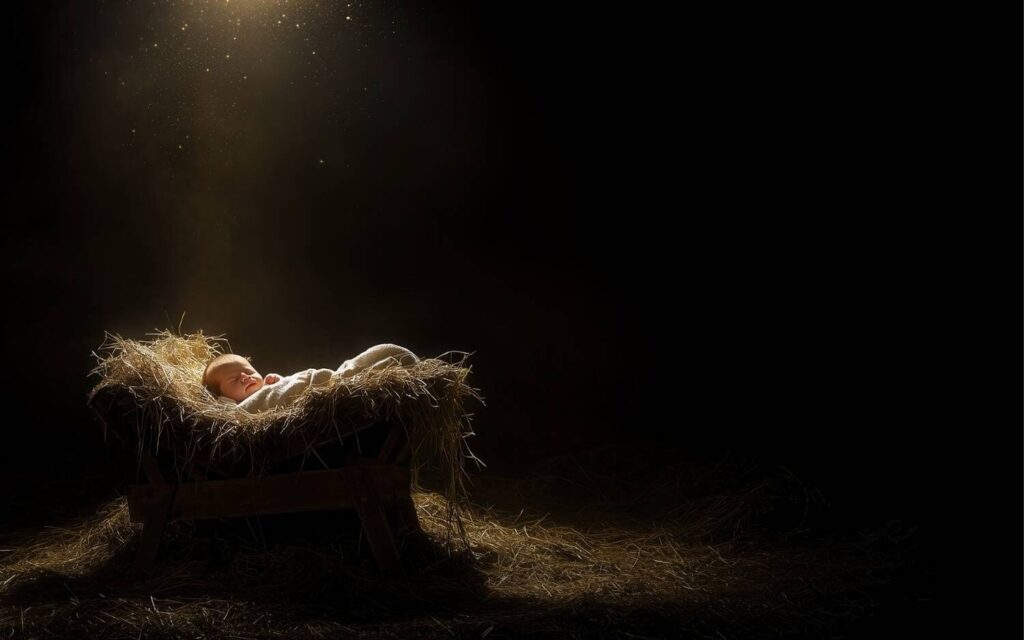
The prophet Micah provides us with explicit clues regarding the location of the Messiah’s birth. He wrote, “But as for you, Bethlehem Ephrathah, too little to be among the clans of Judah, from you One will go forth for Me to be ruler in Israel. His goings forth are from long ago, from the days of eternity” (Micah 5:2). In this verse, Micah informs us that the one who is to be born miraculously to a virgin, fully human yet also fully God, would be born in Bethlehem Ephrathah. The reason Micah identifies Bethlehem in this way is because there is another Bethlehem in the north, in the tribe of Zebulun. The Messiah’s Bethlehem is in Judah, and that is the tribe into which He is born.
So, the Bible tells us how the Messiah would come: He would supernaturally and miraculously be born of a virgin, fully human and yet also fully God. The Bible also tells us from where the Messiah would come: He would be born in Bethlehem of the tribe of Judah. Lastly, the Bible answers the most important question of all: Why would the Messiah come?
The prophet Isaiah is again the one who answers that question. He wrote, “But He was pierced through for our transgressions, He was crushed for our iniquities; the chastening for our well-being fell upon Him, and by His scourging we are healed. All of us like sheep have gone astray, each of us has turned to his own way; but the Lord has caused the iniquity of us all to fall on Him” (Isaiah 53:5–6).
The purpose of the Messiah was to die as a sacrifice for the sins of mankind. Isaiah 53, written before crucifixion was even invented, describes one who would die a painful death for our sins and transgressions. He would take our sins upon Himself, as “the Lord has caused the iniquity of us all to fall on Him.”
Now that we have the clues to the questions of how the Messiah would come, from where the Messiah would come, and why the Messiah would come, the question remains: Who is the long-promised Messiah? The answer that is laid out so distinctly in the Scriptures is Yeshua, Jesus of Nazareth. That baby, born of a virgin in a manger in Bethlehem, came with the explicit purpose to die for our sins. Only Jesus fulfills the messianic prophecies of the Hebrew Scriptures. May you truly have a Merry Christmas, enriched by the prophecies in the Hebrew Scriptures of the Messiah.
- Table of contents
-
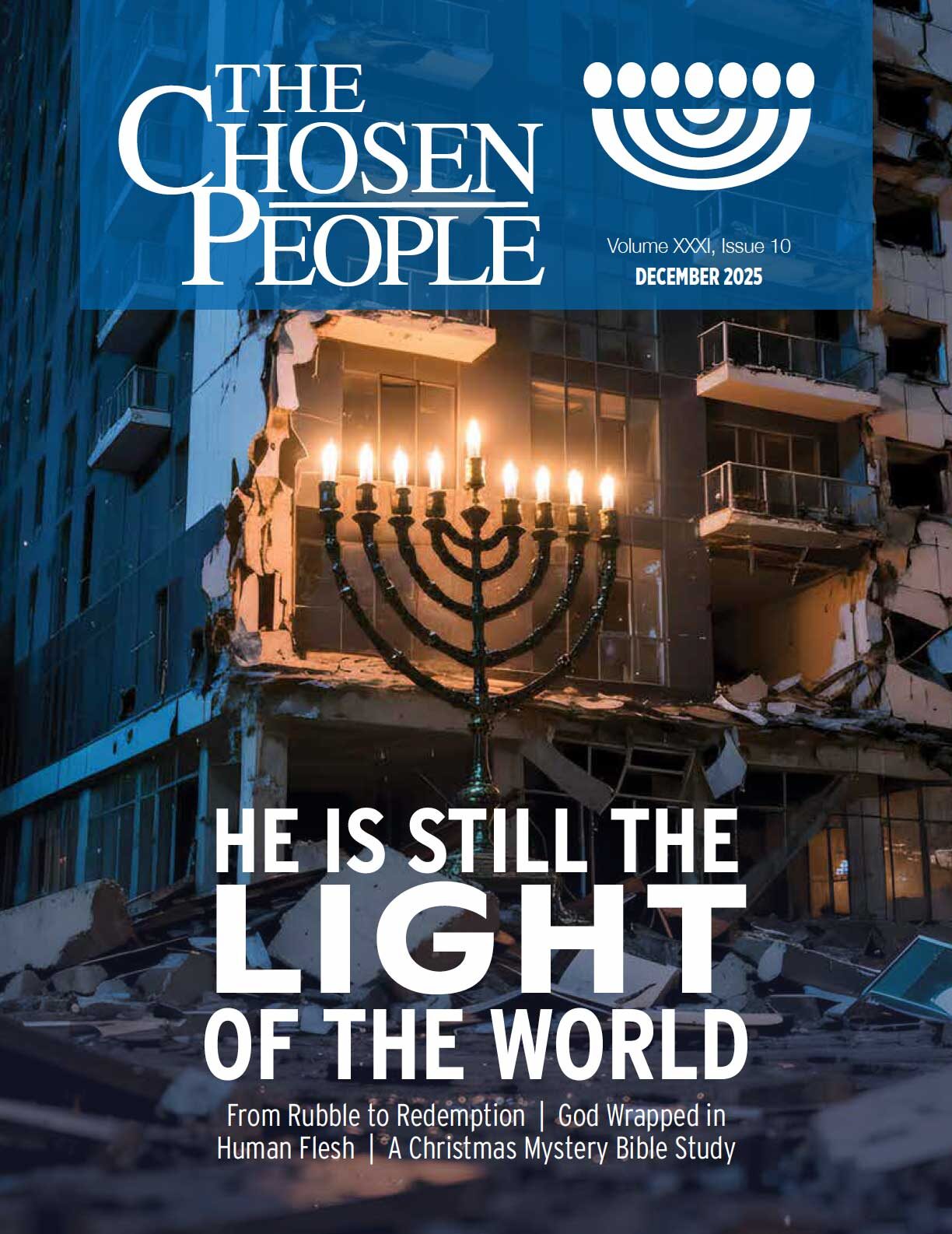
From Mitch's DeskFrom Rubble to Redemption
-
ArticleGod Wrapped in Human Flesh
-
ArticleA Christmas Mystery
-
President's LetterRebuilding Israel After The War
-
-
-
-
-
Ministry News Briefs
Sign up to receive our email newsletters
Get the latest news from Israel, insights from Dr. Mitch Glaser, international ministry reports, as well as videos and podcasts, downloadable resources, discounts in our online store, and much more!