Reflections from the Bomb Shelter: A Journey From Uncertainty to Hope
Dear friend of the Jewish people,
Below are some thoughts and reflections from our Chosen People Ministries staff in Israel that we hope will encourage you to pray for us and for Israel.
Since February 28, life has taken on a very different rhythm—one shaped not by calendars or plans, but by sirens, alerts, and the urgent need to move speedily. People have tried to piece together what is happening and what it might mean to the country and to them personally. But beneath it all is a growing awareness that this would not pass quickly.
What began as rising tension soon became something far more personal and sustained. In the early days, there was panic, confusion, and a quiet disbelief. Phones buzzed constantly with updates. News came in rapidly from all around our small country. Missiles were launched, shrapnel fell, property was damaged, people sustained injuries, and the prayer of our hearts was, “Please Lord, save my family and me.”
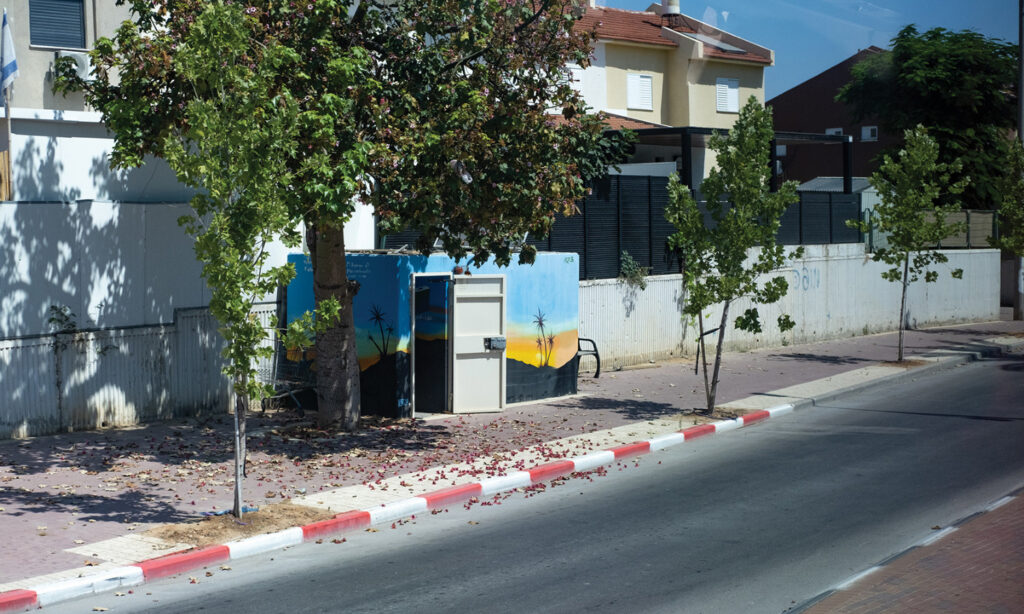
Then the sirens disrupted the day and pierced the night. At first, running to bomb shelters caused an almost surreal feeling. Families moved fast, gathering what they could, and trying to remain calm, especially for the sake of the children. Adrenaline was rushing through us, keeping us alert amid the ever-present danger. Thankfully, we had moments of quick clarity and were able to thank God that humans are fearfully and wonderfully made—especially when threatened.
So, we turned to the Lord: “I will lift up my eyes to the mountains; from where shall my help come? My help comes from the Lord, who made heaven and earth” (Psalm 121:1–2). These words, once familiar, have become deeply lived. Not recited casually, but held onto—sometimes tightly—in moments when there is little else to steady the heart.
As the days turned into weeks, the interruptions changed everything. We were at war, our family routines were hard to keep, and stability was elusive. Life became fragmented. Meals were interrupted. Conversations stopped mid-sentence. Sleep became shallow—never fully settled, we were always ready to respond. The body learned to remain alert. Our minds never fully rested.
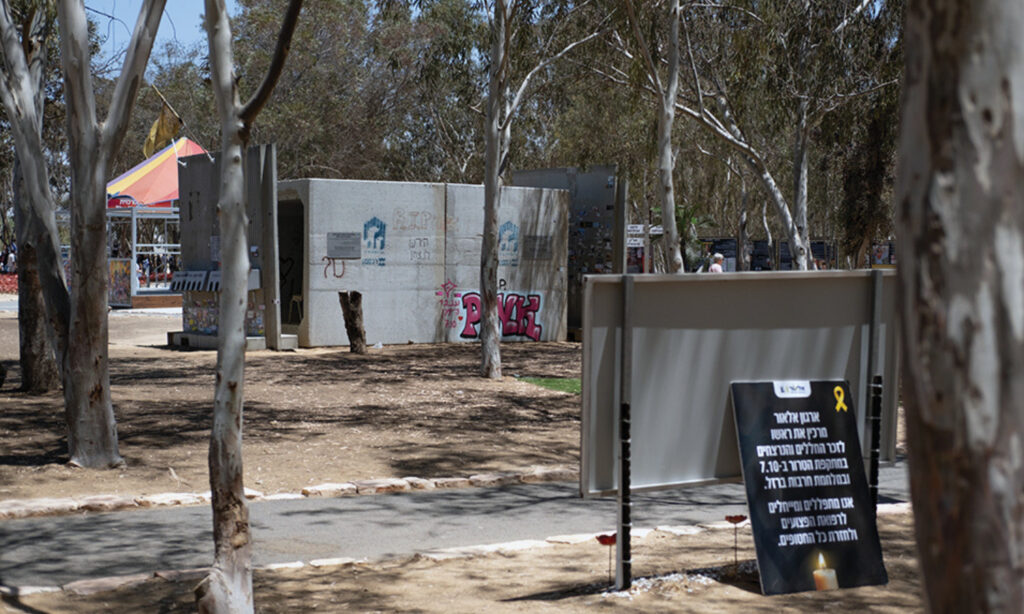
The bomb shelters themselves became places of refuge and quiet tension. Adults exchanged glances that carried more weight than words. Some tried to ease the atmosphere for the children by telling stories and making small jokes. Others sat silently, listening for updates, calculating risks, and praying.
In those confined spaces, faith was not theoretical but immediate: “The Lord will guard your going out and your coming in from this time forth and forever” (Psalm 121:8). For many, this promise became a literal lifeline—and not some distant truth. The Lord held us close even as we were in and out of shelters three, four, five, or sometimes six times a day. We would lie awake at night and wonder what the next hour might bring. Would the ballistic missiles be intercepted, and our Israeli defenses hold secure? As the weeks continued, the question of safety shifted. What does it mean to feel safe when unpredictability is what is most predictable? Life advances cautiously, thoughtfully, and sometimes hesitantly.
For the children, this season has been especially challenging. Days, months, and years of preparation and drills at school had taught the children how to respond. They are strong and resilient yet hold so much fear. On the playgrounds, they drop their balls and jump ropes and swiftly move to the nearby bomb shelter. Some children are anxious and need reassurance over and over again. Others appear outwardly calm, quickly reacting when the siren sounds, yet carrying a quiet angst beneath the surface. You can see it in their eyes, in how closely they stay near their parents, in how they listen, and in their body language.
Parents are carrying a double burden; they are managing their own fears while absorbing the fears of their children. They try to speak honestly, yet calmly, even when they feel uncertain. They wonder how they will pay their bills while unable to work.
But we are a resilient people. As soon as the ballistic missile and falling shrapnel threats pass, people come back to their seats in the café and continue their work meetings or exercise routines. Life goes on because the Jewish people have been through this before; we have lived through persecution, pogroms, expulsion, and exile. Yet, the people of Israel have survived. We constantly remind ourselves that this time, we get to persevere in our own land! Our people have had it much worse than this. Community endures. In many ways, it has deepened. People check on one another more intentionally, they share what they have, and they show up, even when tired or uncertain.
The hopeful words of the Psalms have taken on new meaning. “Pray for the peace of Jerusalem: ‘May they prosper who love you’” (Psalm 122:6) is no longer merely a sentiment, but rather a deeply personal, urgent, and constant cry to the God of Israel for help. It is prayed in homes, in shelters, and in quiet moments between interruptions.
Spiritually, this season has been both stretching and refining. In the early days, prayers were immediate and direct: “Lord, protect us,” “Keep the children safe,” “Provide for our needs, “Keep our soldiers safe,” and “Let this end quickly.” Those prayers remain, but they have been transformed and internalized so they are now as automatic as breathing itself. We are having honest, unfiltered moments of wrestling. We ask ourselves, “How long will this last?” “How do we reconcile fear with faith?” “What does trust look like when circumstances remain unresolved?” and “Where is hope?”
Yet, amid this tension, something deeper is forming within our very souls because “we know that God causes all things to work together for good to those who love God, to those who are called according to His purpose” (Romans 8:28). Difficult as it is at times, we grasp this truth; but more importantly, we hang on to the Lord of that promise. Even when circumstances feel chaotic, there is a growing conviction that God is not absent but is still working, even here and now. Faith, in this season, is not abstract. Faith is life itself. It is lived out in bomb shelters, in whispered prayers, and in quiet decisions to trust again and again without full clarity.
We know that national salvation can be a long process, just as it was for the ancient Israelites wandering in the wilderness. National redemption requires endurance. It is a marathon, especially when there is no finish line in sight. The adrenaline has faded, and Spirit-empowered perseverance is the order of the day. We have learned survival lessons that will help us stand the test of time until He comes, and there will be no need to fight! We have learned how to respond urgently, how to comfort children more effectively, how to build small routines in unstable conditions, and how to care for one another.
Yet, the cost is both real and a burden to carry. There is physical, emotional, and spiritual fatigue. There are moments when the weight feels unbearable. And yet, there is something else: a quiet strength that seeps into our souls. It is not loud or dramatic, but deeply real. We are determined to endure, to serve the Lord above all, to entrust ourselves into His mighty and loving arms, and to stay true to His promises to us personally and to our people.
We know He has the last word on the redemption of the Jewish people, and we wait in hope for that day to come. As the apostle Paul, our great Messianic Jewish forefather, wrote, “Therefore, my beloved brethren, be steadfast, immovable, always abounding in the work of the Lord, knowing that your toil is not in vain in the Lord” (1 Corinthians 15:58).

Stand with Our Israel Staff
Our team in Israel continues to serve through this crisis by providing biblical counseling, distributing food and supplies, and sharing the hope of Jesus the Messiah.
Please join us in prayer for:
Our staff families in Israel—that parents would have wisdom as they carry their own fears while comforting their children through ongoing uncertainty.
The children—that God would guard their hearts and minds and that the trauma of sirens and shelters would not define their sense of safety.
Endurance—that Spirit-empowered perseverance would sustain them through a season with no clear end in sight.
Provision—that families unable to work due to the crisis would have their material needs met and not carry the burden of financial anxiety alone.
The peace of Jerusalem—that God would bring the people of Israel both physical safety and a deeper awareness of the God who redeems.
Thank you for your prayers and support,