Week of March 24, 2026
Iranian Ballistic Missiles Strike in Dimona and Arad
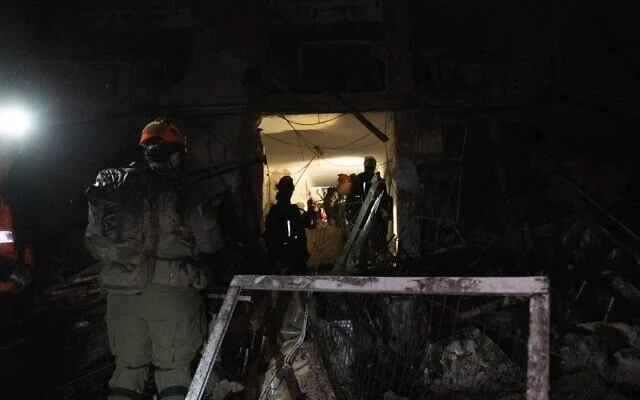
Late Saturday night, Iran sent ballistic missiles toward Israel’s southern region; its warhead was filled with explosives weighing hundreds of pounds. It struck the small cities of Dimona and Arad, demolished apartment buildings, wrecked cars, and injured over 200 people. Iranian state media said the strikes were targeting the nuclear research facility that is located 6 miles from Dimona and 18.5 miles from Arad. They mentioned it was in retaliation for the US attack on the Natanz uranium enrichment facility that was hit earlier in the day.
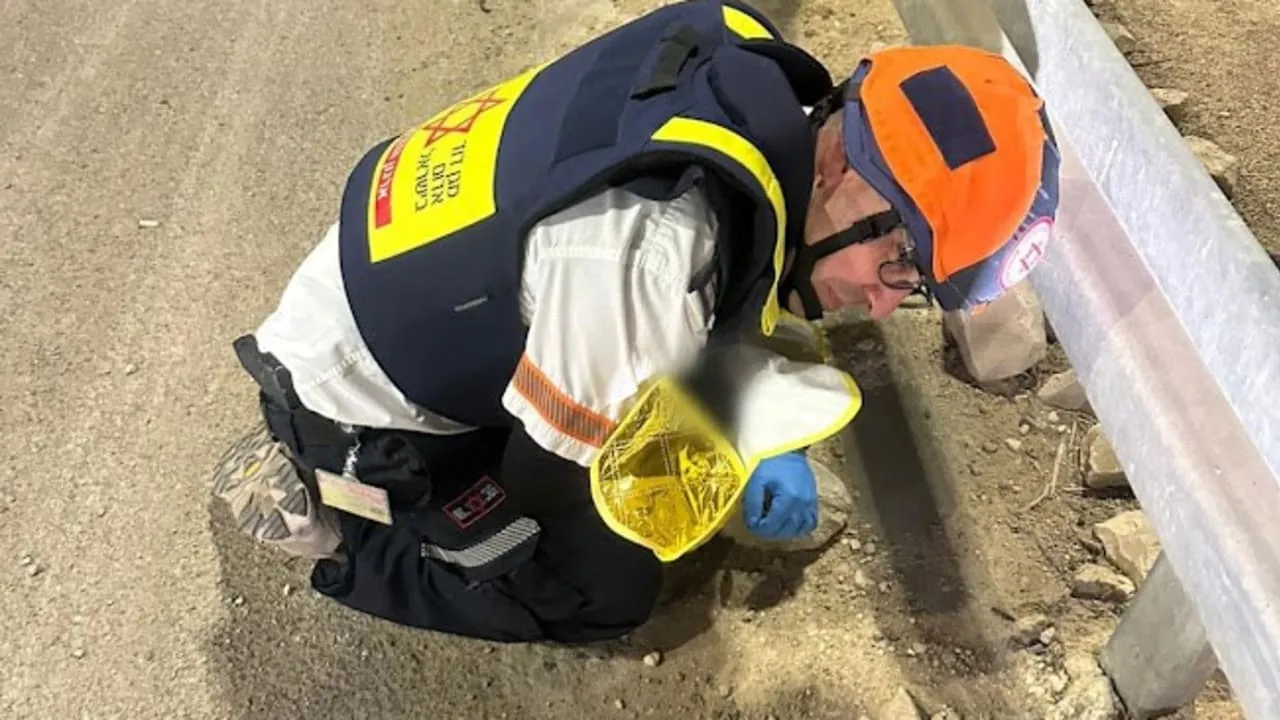
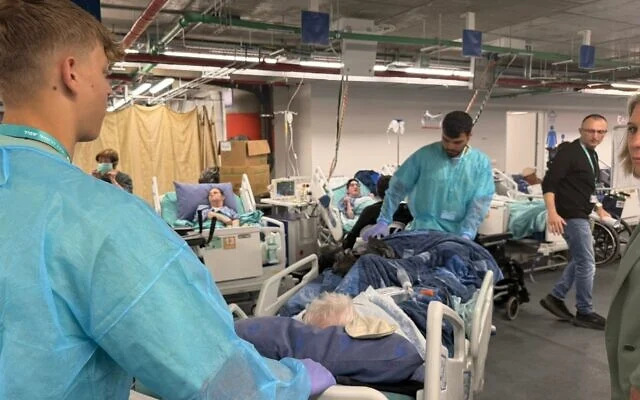
Of those treated in Dimona, 36 people remained overnight, including a 12-year-old boy and 5-year-old girl; both were seriously hurt by shrapnel. Many people were treated for acute anxiety. A Magen David Adom (MDA) paramedic said, “There was extensive damage and chaos at the scene.” In Arad, 84 people were treated at the scene by MDA before being transferred to hospitals. Dozens of ambulances, as well as MDA and Israeli Air Force helicopters were used to transport the injured to hospitals. The Air Force began investigating why the air defenses failed to intercept and knock down both ballistic missiles.
Please pray for a full recovery for those who are injured. Pray for those who are suffering from anxiety and for those who have lost their apartment.
How Ben Gurion Airport Stays Open During Missile Fire
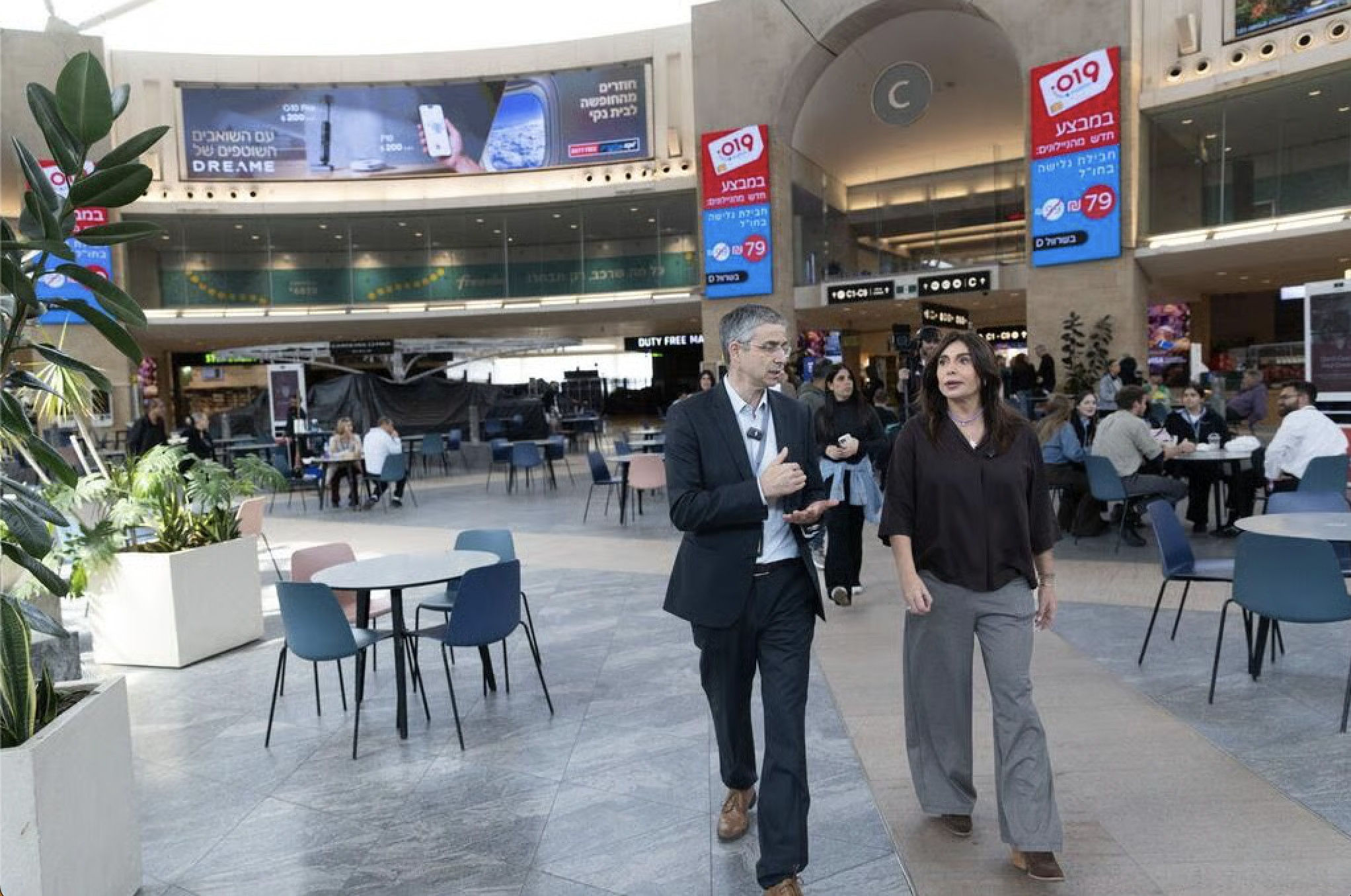
When Operation Roaring Lion began on February 28, it closed Israel’s skies, stranding over 100,000 Israelis in different parts of the world—mainly North America, the Far East, Europe, and the UAE. Having learned from the 12 Day War in June (Operation Rising Lion), Ben Gurion Airport made many contingency plans to try to keep the airport open. On February 28, over 80 aircrafts had been parked at Ben Gurion airport and had to depart immediately, so as not to be damaged or destroyed. Since then, every effort has been made to try to establish “rescue” flights back to Israel of soldiers, parents reuniting with their families, and essential workers.
New protocols kicked into place. After every missile interception from the Iron Dome or the Arrow system, specialized runway vehicles, known as ‘carpets,’ scan and collect any shrapnel found on the runways. They look on the landing strips for debris and holes, and are crucial for airplane safety. Airports Authority CEO Sharon Kedmi said, “But Ben Gurion airport, operating under war conditions and missile fire from Iran and Hezbollah, is functioning in an unprecedented way. No airport in the world has maintained inbound and outbound flights under such intense fighting.”
The airport allows up to 1,500 people at a time so each person can seek proper shelter in case of sirens. Flights are limited to low passenger numbers in order to board and deplane them quickly. The jet bridge is kept ready in case they need to rapidly deplane and go to a bomb shelter. Any plane that has begun taxiing will return to the gate. There have been instances where an aircraft has taxied too far from the gate—in those cases, a staircase on wheels was brought to the aircraft doors, then passengers deplaned and had to lie on the tarmac with hands over their heads during missile alerts.
Once an aircraft has landed, it is quickly filled again with new passengers and takes off. Planes do not remain at Ben Gurion. The airport, instead, looks like an American military base; their refueling planes come back for more fuel and operate around the clock.
Deputy Director of Operations Assi Ben-Michael gave a detailed briefing on the radar units, approach control, and area control: “Air traffic management has several moving parts . . . We are fully coordinated with the Air Force under very strict procedures. The complexity is high, because alongside passenger and cargo flights, a fleet of US refueling aircraft is also operating, and the goal is to keep planes on the ground for as little time as possible.”
Please pray for the safety for passengers returning to Israel, passengers stuck in Israel trying to return to their homes, and workers at Ben Gurion airport.
Over 4,000 Israelis Evacuated to Hotels
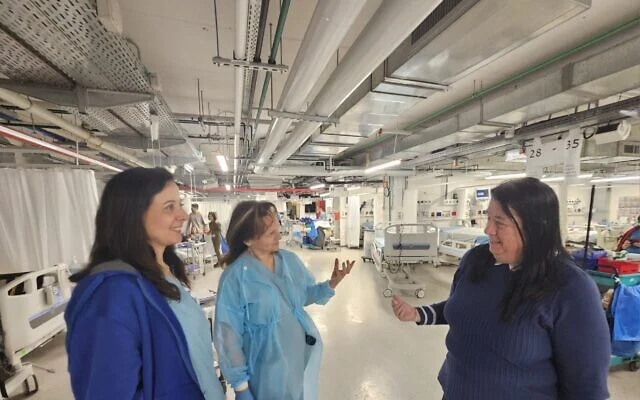
During Operation Roaring Lion, approximately 4,000 Israelis have had to evacuate because of damage to their homes from missile or rocket strikes. The systems for evacuation and assistance are now running more efficiently to quickly relocate and provide assistance, all during continued war and constant security assessments.
Brigadier General (Reserve) Itzik Bar, the head of National Emergency Management Authority (NEMA) identified three main areas lacking in the home front: practical implementation of strict defense policies and essential services, support for citizens whose homes were damaged, and national operational continuity and strategic reserves, such as food, supplies, and infrastructure.
NEMA is currently helping to coordinate combined efforts to quickly aid those whose homes were damaged by rockets or missiles, both through evacuation to hotels and speedy compensation for property damage.
NEMA has quickly stepped up efforts for financial assistance to citizens. This pays for their hotels, food, and other essentials. They are working on providing Wi-Fi to all public shelters in the north where people are required to stay for long periods of time due to launches from Iran and Lebanon. Post offices, ATMs, and baby wellness clinics are also being supplied and reinforced to allow these crucial services to continue.
Please pray for these strategic services to continue to help those with specific needs.
Conversations in a Bomb Shelter

With sirens alerting the public to incoming ballistic missiles, one of our workers quickly took refuge in an available shelter inside the fortified basement of an apartment building. She says:
“As I entered the shelter, I was immediately impressed with the work they had done to the bare, concrete room. They had decorated it by bringing down a throw rug and couches. They made it look comfy and welcoming. On the wall, there was one decoration—in English—that had the word ‘HOPE’. I commented on the feeling of the shelter and the words on the wall. They said that when they come to the shelter, they hope they won’t get hit by the missile or its shrapnel. We all agreed that the word ‘hope’ is a big word and could mean lots of things. We talked about the hope we have and how the Jewish people have lived through so much, so we have a lot of hope. I was able to share with them the hope I have in the Scriptures and that my hope is in the Lord. We left with smiles and wishes for a safe and good day.
“The next time a siren went off, I intentionally went to the shelter with them again. Through natural conversation, I was able to share my testimony and how I found life-changing hope in Yeshua. It was a tremendous moment, and I pray that these words sank deep into their minds and hearts.”
Will you pray with me for these dear people who heard about the Lord in the shelter?