
Celebrating Rosh Hashanah, the Jewish New Year!
It’s the new year on the Jewish calendar, 5787! Learn how Jewish people celebrate this special day, and what it means for Messianic believers in Yeshua (Jesus).
“Following Messiah makes our lives much sweeter as we face each new year and the obstacles that come with it.”
Understanding Rosh Hashanah
Discover why the Jewish New Year calls us to bold trust in an uncertain world

The Shofar’s Call
The piercing sound of the ram’s horn breaks through our comfortable routines and reminds us of the ram God provided in Isaac’s place. It calls us to spiritual awakening and the kind of faith that doesn’t guarantee safety—but promises God’s presence.

God’s Kingship
Rosh Hashanah celebrates God as King over Israel and all nations. True kingship requires our surrender, and surrender always involves risk. Yet this is how we discover Messiah’s ultimate reign and His eternal kingdom.

New Beginnings
The Jewish New Year offers hope for fresh starts, but new beginnings also require leaving the familiar behind. God’s faithfulness doesn’t eliminate uncertainty—it sustains us through it, generation after generation.

Sweet Traditions
From apples with honey to round challah, each tradition symbolizes hope and abundance. But the sweetest discovery comes when we risk trusting God’s provision, even when we can’t see how He will provide.
Biblical Foundation
Rooted in Leviticus 23 as the ‘Day of Trumpets,’ this feast points to Messiah’s return. Like Abraham, we’re called to live in anticipation of promises we can’t yet see—the ultimate act of faith.

Tashlich Ceremony
Casting our sins into flowing water requires the vulnerability of confession and the risk of truly letting go. This ceremony prefigures the complete forgiveness found in Yeshua the Messiah.

Subscribe and get Celebrate Israel’s High Holidays eBook for free
In this beautiful and insightful booklet you will:
- Explore the three major fall festivals of Israel: Rosh Hashanah (Head of the Year), Yom Kippur (Day of Atonement) and Sukkot (Feast of Tabernacles).
- Get inspired by the High Holidays in their original context, meaning, and celebrations both then and now.
- See how Abraham risked everything and discovered God’s provision in ways he never expected
- Learn why the shofar calls us to step out in faith, not stay in comfort
- Understand how Jewish traditions prepare us for lives of bold trust in God
- Discover that following God means embracing uncertainty with courage
- Perfect for teaching children that real faith always involves real risk




Learn from these videos
The Meaning of Rosh Hashanah
Before Rosh Hashanah begins, we wanted to tell you what it is, how it is celebrated, and what it means for believers in Yeshua!
Rosh Hashanah: God Leads Us in the Wilderness
Here is a devotional from our president, Mitch Glaser, about how God uses our time in the wilderness to teach us.
An Unforgettable Rosh Hashanah after 9/11
Dr. Mitch Glaser remembers a special testimony that arose from the tragedy of 9/11. Dr. Glaser also shares about how we can pray for Israel and the new Middle East.
Ten Days of Awe
The time from the beginning of Rosh Hashanah to the end of Yom Kippur is known as the Ten Days of Awe. Here is how these days ultimately show us our need for forgiveness through the Messiah, Yeshua!
S3E2: Messiah In Rosh Hashanah
In this episode of Our Hope Podcast, we invited our national ministry representative, Dr. Alan Shore, to share with us how Rosh Hashanah points to our Messiah, Yeshua.
Free Online Course: The Fall Feasts of Israel
Join us as we journey through the fall festivals of Israel and what they tell us about atonement, redemption, and God’s desire to dwell with us! Sign up for free at cpbi.chosenpeople.com

Teaching Children about God’s Appointed Times
The Olive Tree House: Rosh Hashanah
Join Hilly and Tina as they discover Abraham’s incredible story of faith and risk. When Isaac asked, “Where is the lamb for the offering?” Abraham took the ultimate leap of faith, trusting God to provide. Children learn that God’s promises are more reliable than our fears and stronger than any challenge we face.
Take These Insights Home
Resources to help you live out the bold trust God calls us to embrace
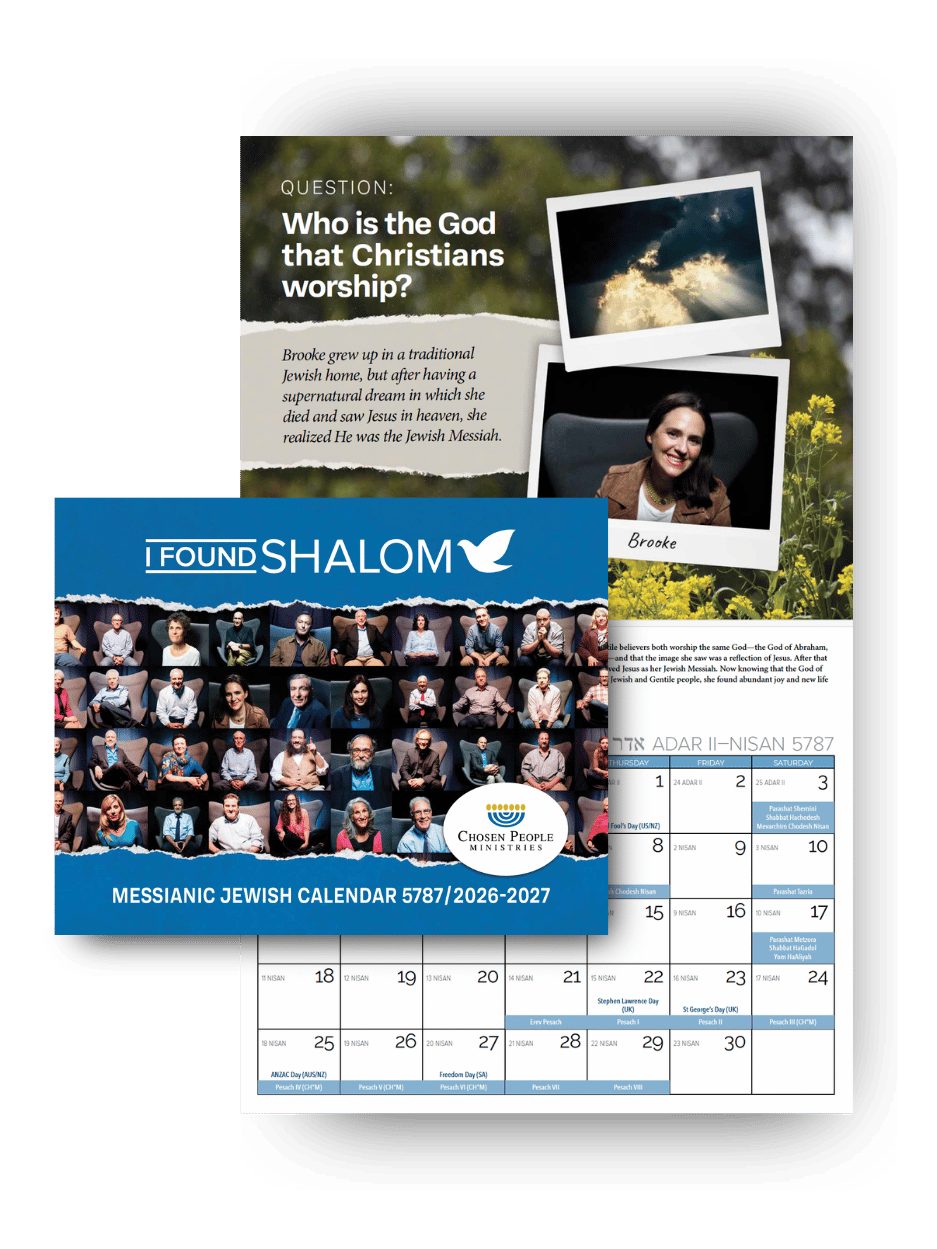
2026-2027 Messianic
Jewish Calendar
“I Found Shalom” is a Messianic Jewish calendar for the Hebrew year 5787 (September 2026–August 2027). Each month you will meet a Jewish believer and discover their journey to the Messiah.
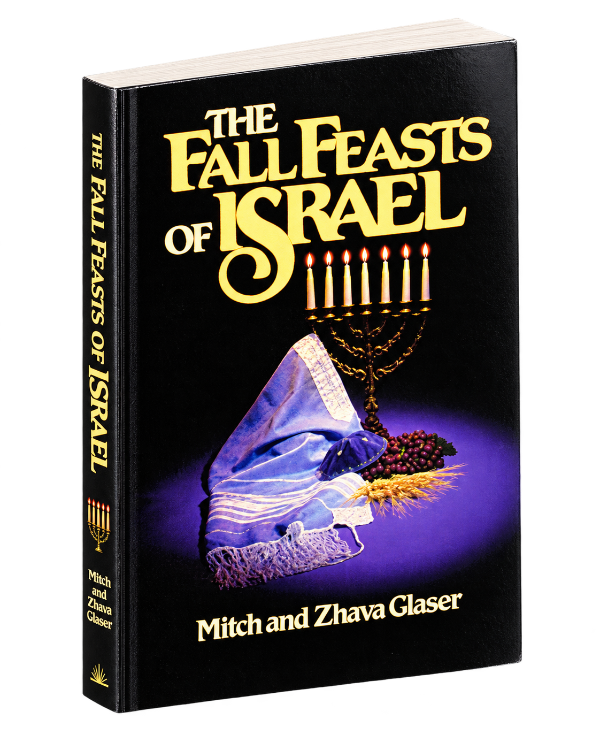
The Fall Feasts of Israel
The Fall Feasts of Israel explores three of Israel’s most significant festivals: Rosh Hashannah, Yom Kippur, and Sukkot. It includes a complete examination of each feast, its biblical institution, its celebration in the time of Jesus, and how it is observed today.

Israel’s Holy Days in Type and Prophecy
A Jewish believer in Jesus examines the festivals of Leviticus 23, their history, their present celebration in the synagogue and home, and their prophetic fulfillment.
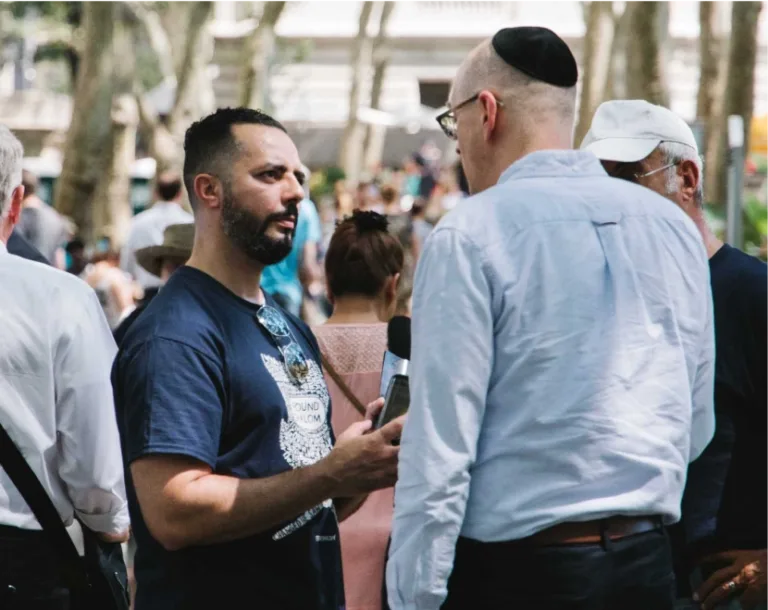
Risking Everything to Reach the Jewish People
For 131 years, Chosen People Ministries has taken the risk of faithful witness, even when it wasn’t comfortable or convenient. Today, with our 25 staff members serving in Israel during dangerous times, we continue to step out in faith because we’ve learned what Abraham discovered: God’s provision often comes after taking the bold step to risk everything.
In the very land where Abraham climbed Mount Moriah, Jewish hearts are opening to their Messiah even amid conflict and uncertainty. Your prayers, support, and willingness to step out in faith alongside us helps us continue this 131-year-old legacy of bold witness.
Faith doesn’t guarantee safety—but it’s the only way to truly follow God and see His kingdom advance in impossible places.