A Roadmap to Redemption: Leviticus 23:1-44
Shalom in His grace,
I hope you had a fruitful summer and are ready for the renewed activities of fall! By God’s grace, the “slower” summer months gave me time to write a new evangelistic book on the Psalms, part of our Psalms of Hope outreach campaign this year. The Psalms open an incredible window into what it means to have a personal relationship with God, and Jewish people especially love them, feeling at home learning about the God of Abraham, Isaac, and Jacob. The Psalms were also one of Jesus’s favorite portions of the Hebrew Scriptures. Some scholars believe He quoted or alluded to them as many as fifty times in the Gospels, even dying with a psalm on His lips (Psalm 22:1). We hope this new book gives you another wonderful tool for sharing the Gospel with your not-yet-believing friends.
We have also released Season 2 of I Found Shalom, our series of online video testimonies. They are incredible, so be sure to watch and share them with friends and family, especially your Jewish friends who do not yet know the Lord.
Your Mission to the Jewish People is bringing the good news to God’s chosen people with more commitment than ever! We now serve in twenty-one countries! We could not expand our reach into Jewish communities around the globe without your love, prayers, and support. We have entered our 132nd year of ministry as we began the Jewish New Year on the evening of Friday, September 11, 2026, which is the year 5787 by the traditional reckoning since creation.
Thank you for joining us in the great adventure of bringing the message of our beloved Messiah Jesus to His own people!
The Jewish High Holidays and Scripture
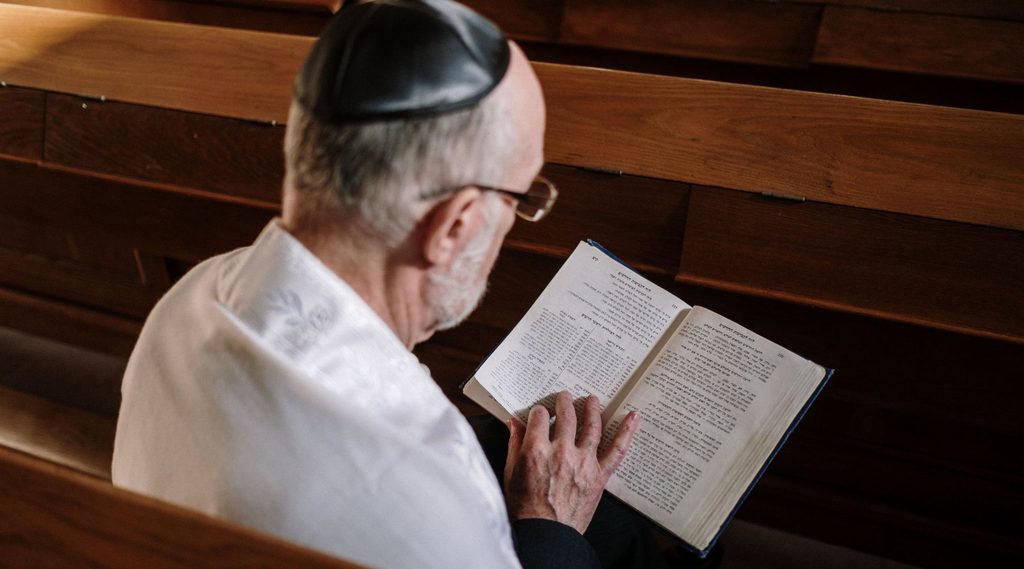
As we enter the Jewish High Holiday season, I want to share some thoughts on these major festivals—especially the New Year—and how they foreshadow the gospel and the principles of the spiritual life we cherish.
The Hebrew Scriptures offer a wealth of spiritual lessons for those of us who love the Lord and His Word. As Paul wrote to Timothy, “All Scripture is inspired by God and profitable for teaching, for reproof, for correction, for training in righteousness” (2 Timothy 3:16). Here Paul is referring specifically to the Old Testament: those thirty-nine inspired and inerrant books filled with lessons on living a holy and joyful life. The Fall Festivals found in Leviticus 23 provide us with a roadmap to redemption and teach us how to know and love God.
The Hebrew word we translate as “feast,” “festival,” or “holy day” is mo’ed, meaning “appointment.” These are appointments with God Himself. We must take them more seriously than any other appointment on our calendar. They shape the Jewish people’s worship, family gatherings, and personal piety all year long.
The Three Festivals
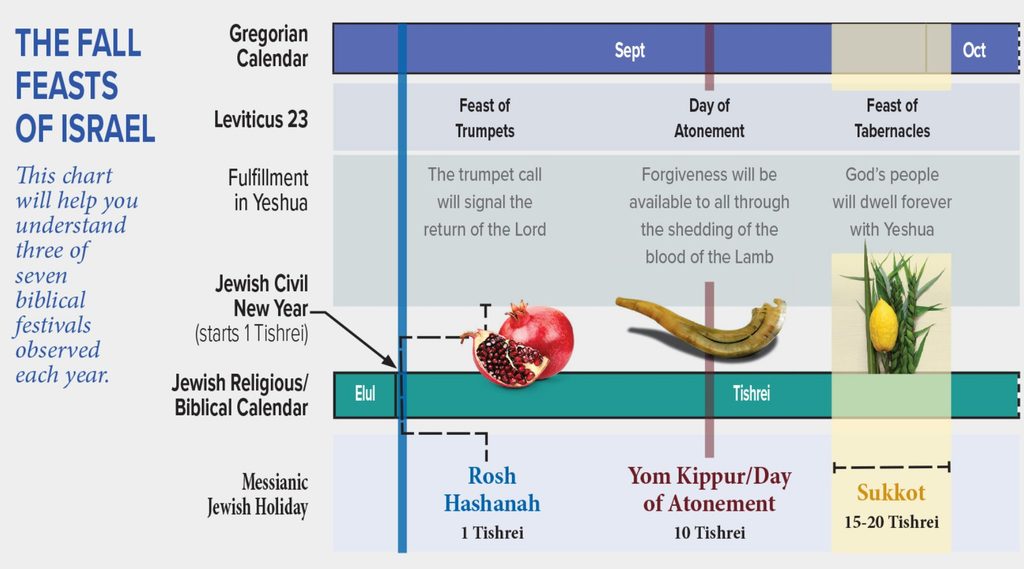
Three festivals arrive during autumn: the New Year, Rosh Hashanah (literally “Head of the Year,” though its biblical name is the Day of the Blowing of the Trumpets, Leviticus 23:23–25); the Day of Atonement, Yom Kippur (Leviticus 23:26–32); and the Feast of Tabernacles or Booths, Sukkot (Leviticus 23:33–44). Each carries its own distinguishing commandment, such as the trumpet blast, the blood on the mercy seat, and the building of booths. Yet all three share common elements: refraining from work, gathering for worship, and offering sacrifices.
These Holy Days engage the whole person—young and old, body and soul—through action, sight, sound, smell, and heart, giving Israel an experience of God’s presence and power, focusing them on His character and plan, and, in many cases, commemorating historical events, just as Passover commemorates the deliverance from Egypt.
The dates of these festivals never change on the Hebrew calendar; whatever man plans must bow to this holy calendar—much as the weekly Sabbath never moves, and traditional Jewish families still plan their week around it. Travel to Israel, and you will find the whole nation resting during those hours, with most stores and restaurants closed. Like the Sabbath, the High Holidays call the Jewish people to set aside ordinary activity and focus on the Lord and His plan for Israel.
The Jewish Holidays and the Believer in Jesus
I am not suggesting Christians must “keep” these festivals, but the lessons they teach are invaluable, helping us understand the rhythm of Jewish life and glean spiritual truths.
Even though my Jewish family observed these three fall festivals, they turned from black-and-white to vivid color once I came to know Jesus as my Messiah. I know I am free from the Law, yet I still celebrate these days as fulfilled in Jesus, growing each year in my love for the Lord and identifying more closely with the Savior, who was Himself Jewish and observed these Holy Days.
He fulfills each festival in the most beautiful way. I think of Him as the diamond of Scripture, with the holidays forming the setting that reveals His beauty. As He told His fellow Jewish disciples, “Do not think that I came to abolish the Law or the Prophets; I did not come to abolish but to fulfill” (Matthew 5:17).
The New Year: Rosh Hashanah
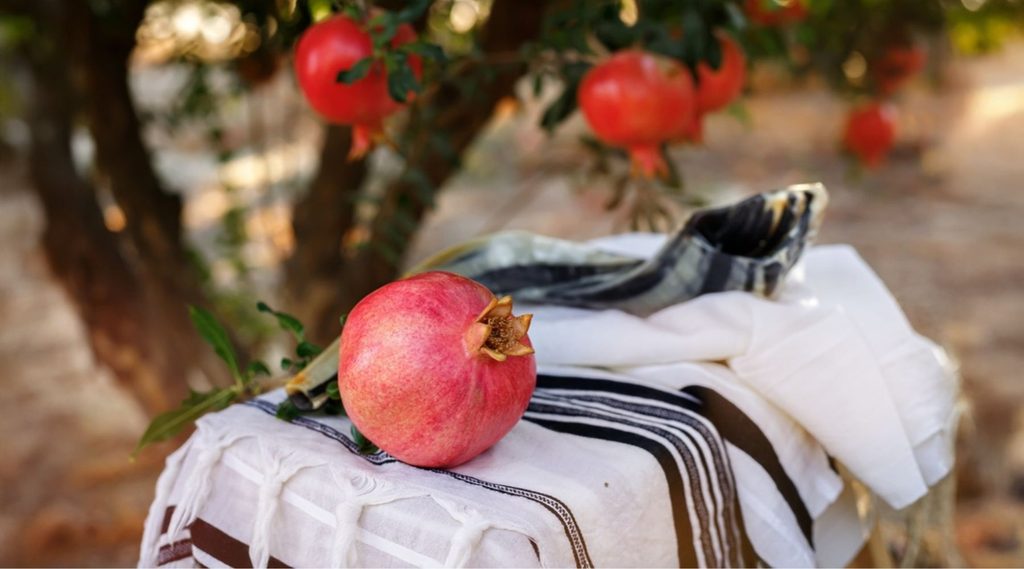
Rosh Hashanah’s importance grows from what follows it: Yom Kippur, the Day of Atonement, the holiest day of the Jewish year. Rosh Hashanah is a day of repentance and turning back to God in preparation for the Day of Atonement—softening our hearts to receive the forgiveness it offers. Repentance is the first step of getting right with God, whether we are new believers or have walked with the Lord for decades.
The spiritual life begins with admitting our sin and our desire to turn from self-centered, evil ways back to the God who made us. Yet there is a major difference between traditional Judaism and followers of Jesus: Judaism does not teach that we inherit Adam’s sinful nature. It generally holds that mankind is born morally neutral, free to choose sin or obedience, and that forgiveness comes through sincere repentance, God’s mercy, and good deeds. This belief system is a real stumbling block in sharing the gospel with our Jewish friends and family, who do not readily accept that Scripture makes a strong case that we are sinners from birth, inheritors of Adam and Eve’s choice (Isaiah 53:6, 64:6; Jeremiah 17:9; Psalm 51:5). As Paul wrote, “For all have sinned and fall short of the glory of God” (Romans 3:23), yet “God demonstrates His own love toward us, in that while we were yet sinners, Christ died for us” (Romans 5:8).
We sin because we are sinners!
During this sober season, our staff preaches a clear message: we are helpless to earn forgiveness and must receive salvation as a faith-gift from our gracious God through the Messiah, “For the wages of sin is death, but the free gift of God is eternal life in Christ Jesus our Lord” (Romans 6:23). Spiritual life begins with this repentance, recognizing that apart from God we are left unfulfilled and burdened by guilt until we are forgiven and changed.
I was raised in a loosely religious, Orthodox-influenced Jewish home, believing forgiveness was possible for those who sincerely repented. However, I always felt I was failing, never sure I had repented enough. There is no real assurance of forgiveness in the Jewish faith. In fact, the more we grasp God’s holiness, the more we see the depth of our sin and our own inability to earn forgiveness. Sin is only made clear in the light of His holiness. Repentance is the door we walk through to find grace, but beyond it stands our High Priest and sacrifice, the Messiah Jesus, through whose atoning work we are forgiven and saved. That was true of my own path to salvation: coming to Jesus meant facing the shame of my sin. But once I grasped the magnitude of His forgiveness, my heart filled with joy and gratitude.
The Role of the Holy Spirit in Repentance
The Spirit’s role is critical to our spiritual growth. Without the light He shines on our hearts, we would walk blindly in sin. Jesus said, “If I do not go away, the Helper will not come to you; but if I go, I will send Him to you. And He, when He comes, will convict the world concerning sin and righteousness and judgment” (John 16:7–8). For the believer redeemed through the Messiah’s shed blood, ongoing repentance is the key to spiritual growth. As 1 John 1:9 says, “If we confess our sins, He is faithful and righteous to forgive us our sins and to cleanse us from all unrighteousness.” The Greek word translated “confess,” homologeo, means to agree with God’s word, and we need the Spirit to reveal the sins we cannot easily see—especially those hidden beneath the surface.
In this, traditional Judaism has it right: the spiritual life begins with turning from sin to the Lord. Our decision to follow Jesus begins with repenting of the sins we know, yet our sinfulness is like an iceberg—we see only what is above the waterline, and we need God’s Spirit to reveal what lies beneath. True repentance means more than saying we are sorry; it means a genuine willingness to change how we relate to God, ourselves, and others, echoing the prophets’ cry to “turn and return” to God’s ways. As we grow in our knowledge of God, we grow in our understanding of our sin, and repentance becomes less a single act than a way of life. Thankfully, this never ends for believers: we simply respond to whatever the Spirit reveals, confess it, and, with His help, turn toward righteousness.
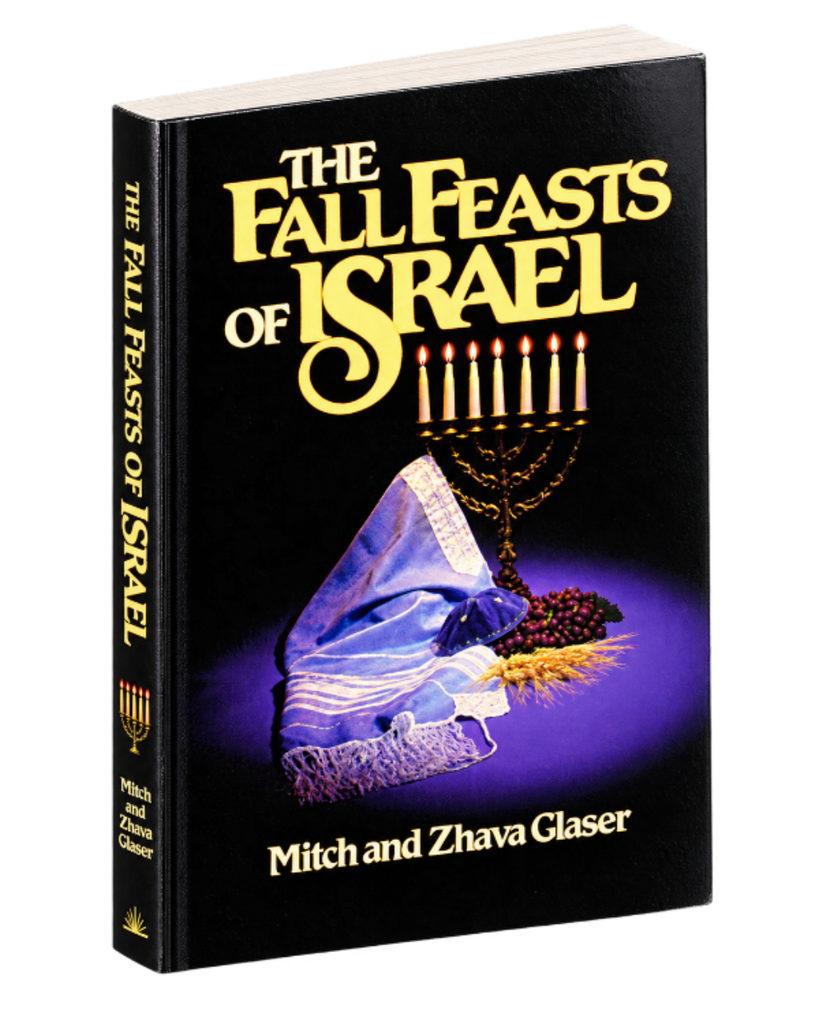
I hope you will also read the book my wife Zhava and I wrote on the fall feasts of Israel, published by Moody Press, and for a gift of $50 or more, we will send you a copy as our thanks. Thank you again for your love for the Lord and His chosen people, and please continue to pray for and support Chosen People Ministries as we proclaim the truths of redemption through the Messiah’s shed blood in more than a dozen U.S. cities and twenty-one countries around the globe. We simply cannot do this work without you!
May the truths of the High Holidays—especially the possibility of a lifestyle of regular repentance—fill you with His joy and strengthen your walk with the Lord.
Your brother,
Mitch
P.S. Happy New Year!