The Day of Atonement: Yom Kippur
Judaism, which does not have a strong sense of personal salvation, teaches that repentance leads us to forgiveness. Fasting and repentance make Rosh Hashanah a sacred time when we throw ourselves upon the mercy of God and mourn over our sin. Yet, as followers of the Messiah, we know there is nothing we can do to make ourselves right with God and that we need something only God can do to make us right with Him. All the repentance in the world cannot save us!
So, what can spare us from the judgment of sin? The second Holy Day, (the Day of Atonement), which takes place ten days after Rosh Hashanah, reveals the answer. Clearly, the Bible teaches that we need more than repentance to be in right standing and relationship with God. We need something that only He can provide—that is, the shedding of His Son’s blood at the crucifixion.
According to Leviticus 17:11, “For the life of the flesh is in the blood, and I have given it to you on the altar to make atonement for your souls; for it is the blood by reason of the life that makes atonement.” This truth never gets old or becomes unnecessary. We have constant good standing in the presence of God, as Paul wrote in Romans chapter 5, because of the shed blood of Jesus.
Much more than, having now been justified by His blood, we shall be saved from the wrath of God through Him. For if while we were enemies we were reconciled to God through the death of His Son, much more, having been reconciled, we shall be saved by His life. And not only this, but we also exult in God through our Lord Jesus Christ, through whom we have now received the reconciliation. (Romans 5:9–11)
The focus of the Day of Atonement is found in Leviticus chapter 16, where the high priest, on that one day of the year, brings the blood of the bull and the goat and sprinkles it on the mercy seat, usually shrouded by a curtain separating the Holy Place from the Holy of Holies. Beyond the curtain is the Ark of the Covenant. The top of that ark is the mercy seat. Jesus is the top of the ark, the place of propitiation—that is, the place of sacrifice that reconciles the people of God back to Him. It was that very place where the high priest sprinkled the atoning blood for the sins of the Jewish people that were not earlier expiated or forgiven through the sacrifice of a repentant Israelite:
Being justified as a gift by His grace through the redemption which is in Christ Jesus; whom God displayed publicly as a propitiation in His blood through faith. This was to demonstrate His righteousness, because in the forbearance of God He passed over the sins previously committed. (Romans 3:24–25, emphasis added)
This holy day, then, like the others, is a prophecy in type—a picture. The Day of Atonement is a prophetic portrait of redemption communicated by God to Moses and the prophets. The image undergoes further development in Isaiah chapter 53, where the prophet said that the Servant of the Lord would suffer for our sins. Jesus fulfilled this beautiful prophetic portrait when He died for our sins. But His shed blood is still necessary: “But He was pierced through for our transgressions, He was crushed for our iniquities; the chastening for our well-being fell upon Him, and by His scourging we are healed” (Isaiah 53:5).
So often we limit the benefits of His death and resurrection to our salvation experience. Yet, Yom Kippur is a reminder that His death saves us daily! We never outlive the need for His atoning blood. Through His blood we are cleansed, day in and day out. It is the blood that brings life, forgiveness, and entry into the presence of God every moment of our lives. He keeps saving us through His sacrificial blood and His work as an interceding High Priest in heaven.
Feast of Tabernacles: Sukkot
We have now identified two steps toward a living, intimate relationship with God. First through repentance and then via atonement. So, what then is the result of forgiveness? This roadmap to redemption does not end at atonement or salvation, but rather, it leads us further down the path to joy!
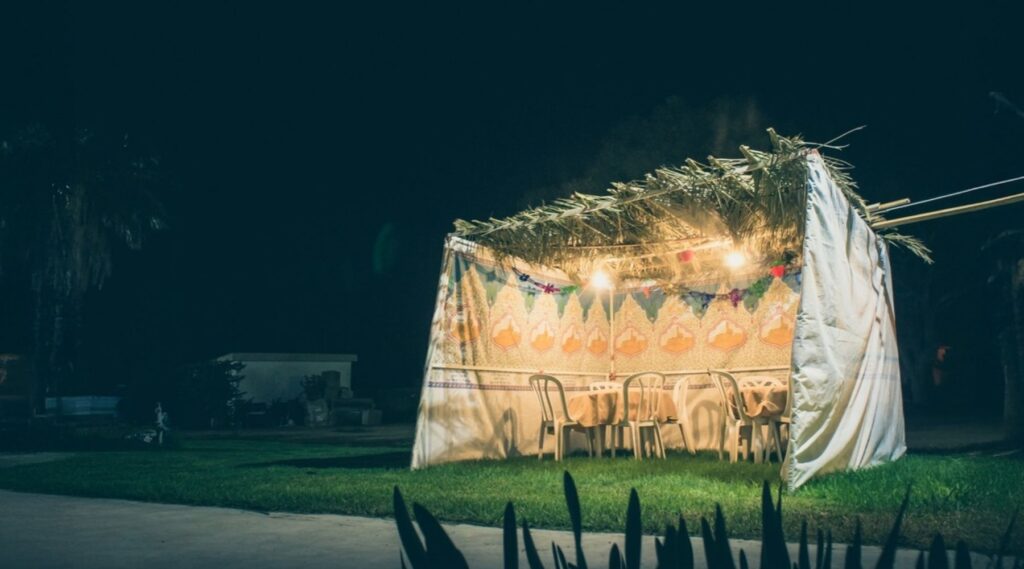
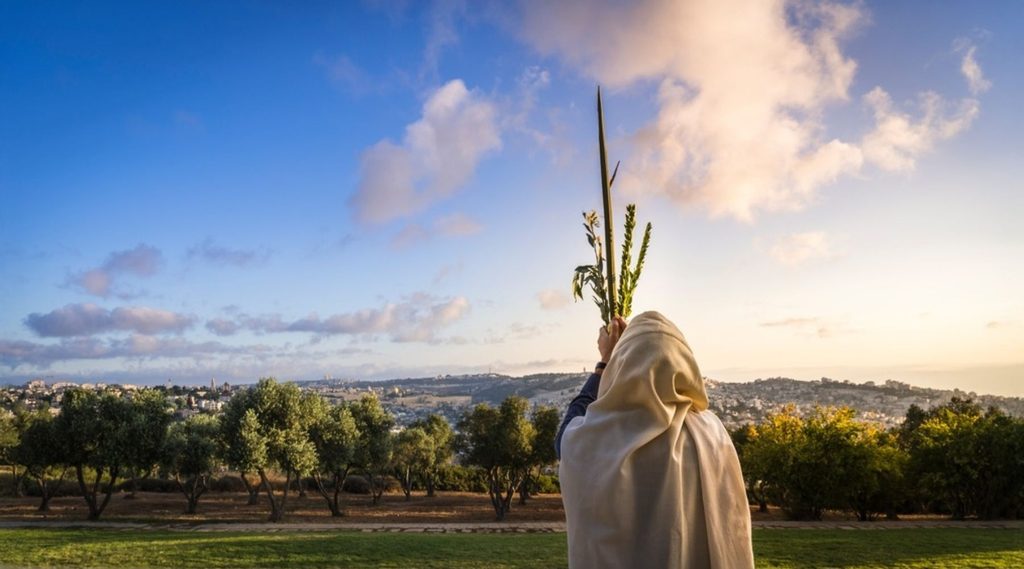
The third great fall festival is the Feast of Tabernacles, Sukkot, which is a festival of joy. The Jewish faith beautifully expresses this joy through the building of a tabernacle, or booth. In today’s synagogues, it is a tradition to walk around the synagogue seven times, shaking palm branches and a large, lemon-like citrus fruit called an etrog while shouting “Hosheanu, Hosheanu,” which means, “Lord save us, Lord save us.” This harks back to a ceremony in the Temple, during which people asked God to send the late-fall rain, because the Feast of Tabernacles was the last of the Jewish harvest season holidays, beginning the rainy season in Israel.
In Joel 2:28–29, we read that God promised to send forth His Spirit in the last days, which is sometimes portrayed metaphorically as rain. This was also part of a major ceremony of Second Temple Judaism. On the seventh day of the Feast of Tabernacles, a ceremony called “the joy of the water-drawing” (simchat beit hashoavah) took place in the Temple. During this celebration, the Israelites would march down to the Pool of Siloam, fill urns with water, march back to the Temple with great pomp and circumstance, cry out to God, “Hosheanu!” and spill the water from the urns onto the corners of the altar.
It was during the Feast of Tabernacles that Jesus stood up and declared Himself the living water that quenches our thirsty souls and turns our mourning to joy (John 7:37–39). I am sure if you have been walking with the Lord for any number of years, you recognize that the end result of repentance and our assurance of salvation is always joy. If we lack joy, we probably need to go back, repent, and then rejoice in what He has accomplished for us through the Messiah. We might ask, “When does this ever stop for the believer?” The answer is, of course, “Never!” Each and every day, we must ask the Lord to show us our sin so that we can repent and deepen our understanding of forgiveness through His sacrifice.
That is key to finding the joy of our salvation. As David wrote so beautifully, “You will make known to me the path of life; in Your presence is fullness of joy; in Your right hand there are pleasures forever” (Psalm 16:11).

God uses the Jewish fall festivals found in Leviticus 23 to guide us toward a deeper relationship with Himself. All that is missing in the religious faith of the Jewish people is the centerpiece of salvation, which is the person of Jesus the Messiah. The fall festivals are a prophetic roadmap to redemption. The pathway that begins with repentance, leads to redemption, and results in rejoicing may be true of our lives as long as we cling to the centerpiece of salvation, who is Jesus Himself. He is the jewel shining brightly in the setting of the festivals. It is in Him and through Him that we have everlasting life and the forgiveness of sin once and for all—not simply when we made that eternal decision, but each and every moment of our lives!
Help bring Jesus to Jewish people everywhere.
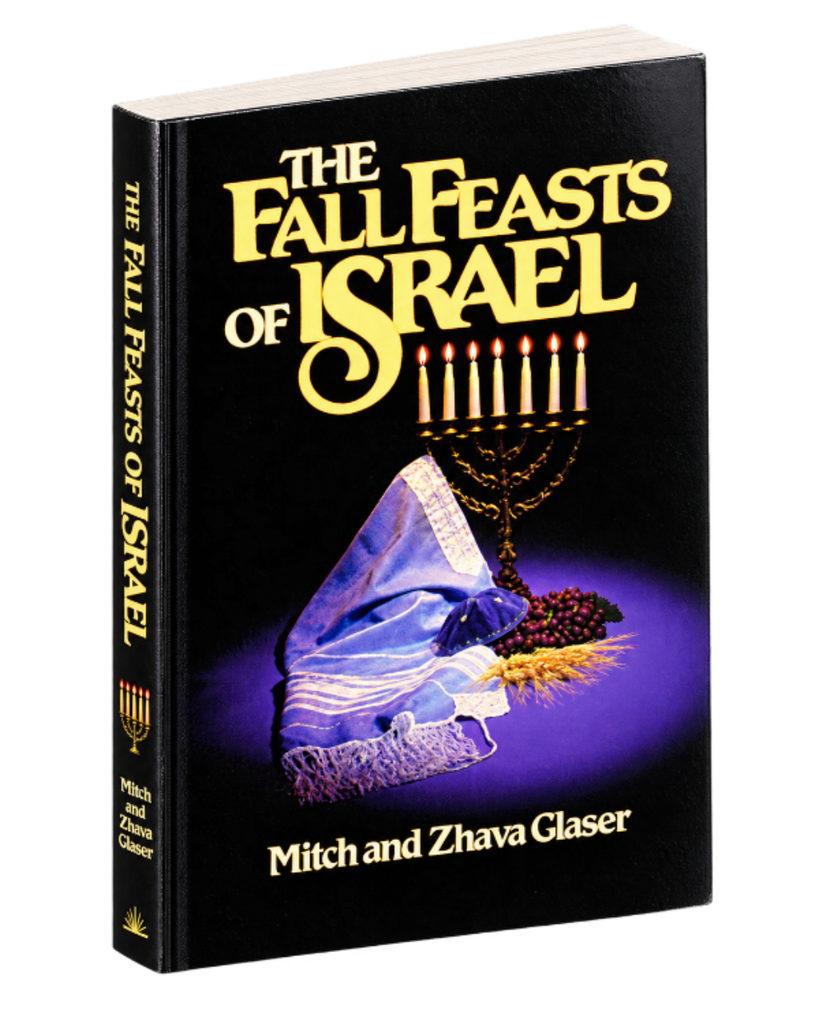
Join us in sharing the good news with Jewish people everywhere. When you give $50 or more, we will send you a copy of The Fall Feasts of Israel, as our thanks.
Inside the book, you’ll discover:
- A deep dive into each festival
- The biblical institution of the fall festivals and their celebration in the time of Jesus
- How these holidays are observed by the Jewish community today
Sign up to receive our email newsletters
Get the latest news from Israel, insights from Dr. Mitch Glaser, international ministry reports, as well as videos and podcasts, downloadable resources, discounts in our online store, and much more!