Week of March 12, 2026
Fortified, Underground Hospitals Throughout Israel
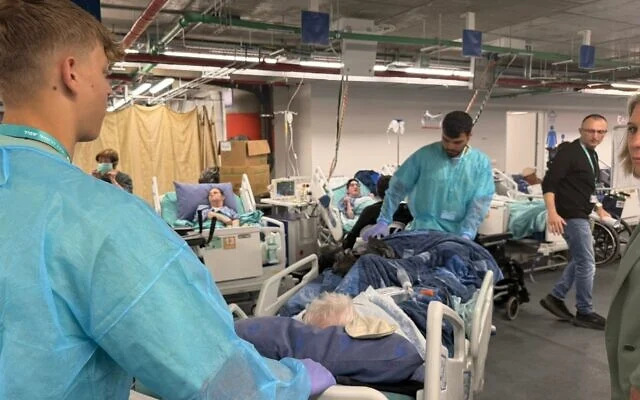
Israel very quickly transitioned its hospitals to war footing by changing procedures and sending many patients home. Underground parking lots have been converted to fortified triage wards, intensive care, operating, and birthing rooms. Beersheva’s Soroka University Medical Center was hit by an Iranian ballistic missile in June 2025, injuring more than eighty people and demolishing eight operating rooms. “This is something that no hospital in Israel or the world has ever had to deal with,” said Soroka University Medical Center director Shlomi Codish. “Soroka now operates at the highest level of alert and continues to provide life-saving medicine.”
Medical workers at the Galilee Medical Center in Nahariya, located less than six miles from the border with Lebanon, succeeded in moving everything underground and into fortified areas four hours quicker than they did after the massacre on October 7, 2023. “All surgical procedures, deliveries, and cardiac and neuro catheterizations are being conducted in fortified facilities,” CEO/Director Masad Barhoum said.
Dr. Mira Maram, deputy director general at Clalit Health Servies and overseer of 14 hospitals across the country said, “We learned exactly what kind of equipment we have to take, what kind of beds we need to take and the distance needed between them, how to handle infection control, and what other machines we need to bring.”
Professor Osnat Levtzion-Korach, the director of Shamir Medical Center in central Israel said, “It’s really unimaginable what we’ve done here, but it’s a temporary solution. The right solution is to build departments that are protected so that the patient can stay in their own bed. Having 200 patients in a parking lot is definitely not ideal. There’s no privacy, there’s no infection control management. Of course, it’s very safe, but it has many issues. Thankfully, all the patients are very collaborative and cooperative, and you don’t hear any complaints.”
Please pray for the safety of these hospitals that are providing care for the nation of Israel in the midst of war. Please pray for the doctors, nurses, and workers to be wise and efficient in their work and decisions.
The Israel Defense Forces Logistics Command
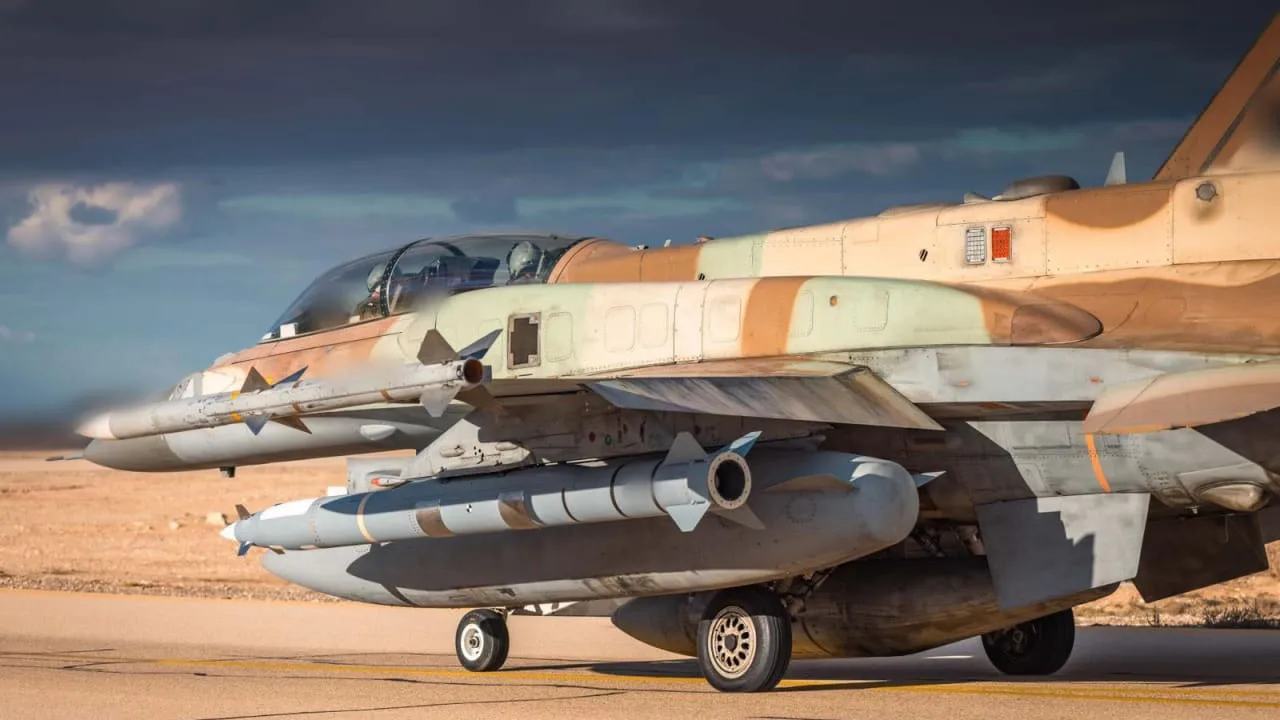
The Israel Defense Forces (IDF) Logistics Command has been working especially hard this past week to keep the IDF working smoothly. Over 200 aircraft have been flying round trips to Iran approximately 1,250 to 2,500 miles long, each plane up to ten times. The millions of liters of gas required for departure and inflight refueling is staggering. For reference, between 2023 and 2025, the Air Force only needed to fly a couple hundred miles in order to attack Hamas in Gaza or Hezbollah in Lebanon. Within the first few days of Operation Roaring Lion, the Air Force has already flown more missions and dropped as many bombs as it had during the full twelve-day Operation Rising Lion in June 2025.
Additionally, Divisions 91, 210, and 146 have been stationed in the North to expand Israel’s security zone in southern Lebanon so that Hezbollah will not have a chance to invade northern Israel. The IDF Logistics Command has organized hundreds of buses each day for 110,000 reservists (and tanks, artillery, and engineering vehicles) to be deployed to different fronts.
Without much recognition, the IDF Logistics Command has also had to supply the fronts along Gaza and the West Bank, both of which are simmering hot zones. There are many infantries stationed on these fronts.
Please pray for these multiple strategic fronts of the IDF Logistics Command.
Cluster Munitions Attached on Iranian Ballistic Missiles Aimed Toward Israel
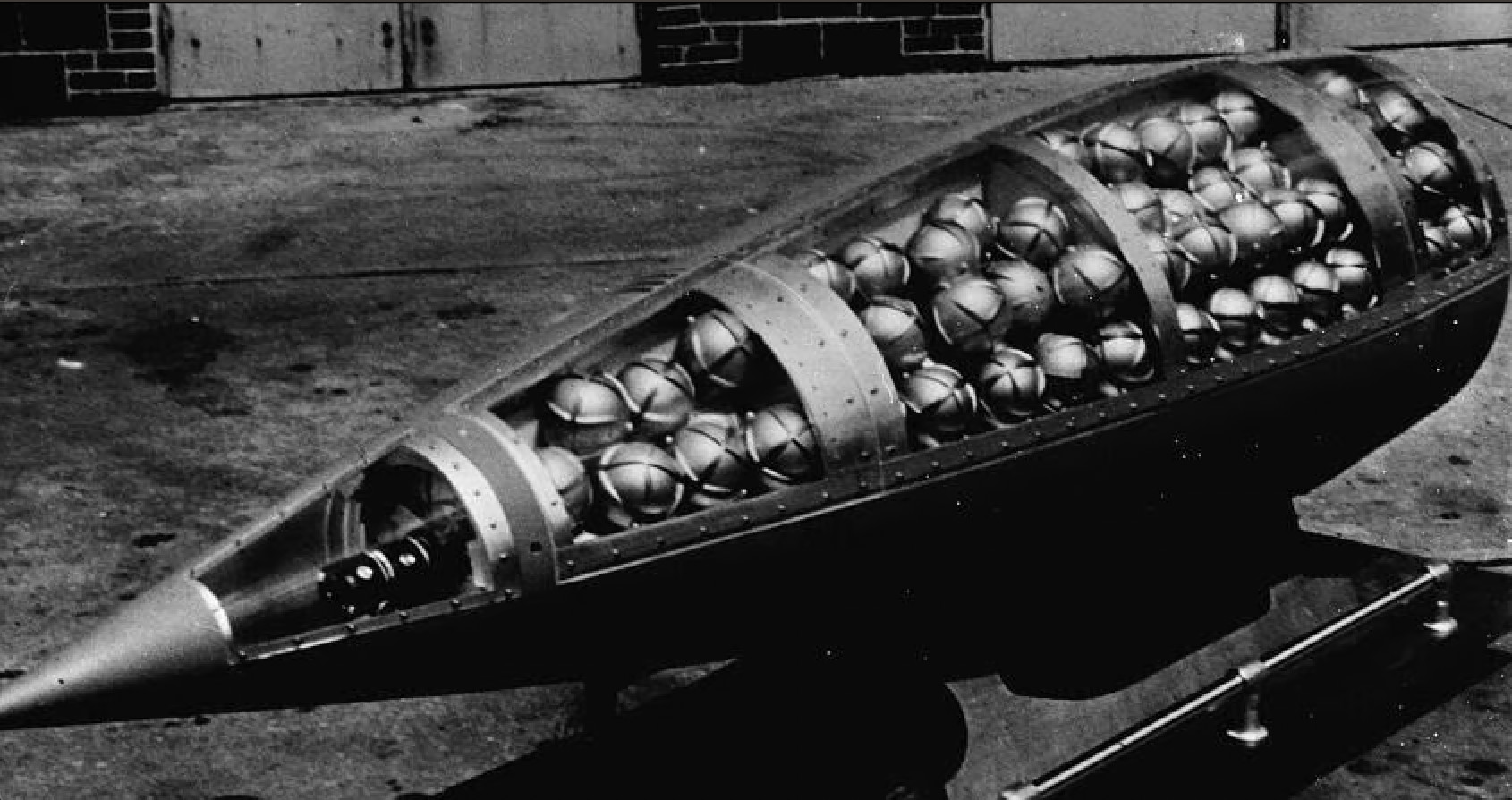
During Operation Roaring Lion, Iran has sent numerous ballistic missiles toward civilian centers across Israel. Lately, many of the ballistic missiles are packed with cluster munitions that are designed to increase the destructive impact for casualties and complicate any rescue or recovery efforts. When attached to a warhead, a cluster munition contains dozens, or even hundreds, of smaller explosives.
Cluster munitions add more fear to the conventional weapon. Israel’s missile defense systems often cannot intercept smaller cluster munitions. From the ballistic missile, they are usually armed and dispersed about five miles above the target, and the munitions are scattered over an approximately eight-mile radius. Each cluster bomb contains between four and fifteen pounds of explosives and are the size of a hand grenade. Sometimes they are packed with extra metal pellets that create sharp fragments. Also, many do not explode, requiring security services to locate and neutralize the munition. The Israeli public has been asked to be extra vigilant.
Please pray the public stays safe from cluster munitions, and for children not to touch unusual objects they find on the ground.
Fruit from the Frontlines
As you are aware, on February 28—the Sabbath before Purim 2026—Iran launched missiles against Israel. Since that date, over 2,500 Iranian ballistic missiles, cluster missiles, and suicide drones have been launched against Israel. While most are intercepted by David’s Sling and the Iron Dome, the ones that strike are causing major damage, wreaking havoc, and killing people. Major metropolitan areas have been impacted the most, but Israelis everywhere—from the south tip of Eilat at the Red Sea to Rosh HaNikra and the Golan Heights in the north, and from the Mediterranean on the west to Judea and Samaria on the east—have sought shelter many times from incoming projectiles. Hezbollah joined the attack on March 2, adding a second front to the war.
People are tired. Sirens sound at all hours of the day and night, sending people scurrying to shelters—sometimes every few minutes, other times every hour or two. Nobody knows if their shower or bathroom visit will be interrupted by a piercing siren. Some folks choose to sleep and eat in the bomb shelters as it is too difficult for them to come and go so frequently and randomly.
Schools are closed, and children stay home. Essential services like hospitals continue operating—only now in underground wards. People worry about paying bills or buying supplies and food, especially as the war drags on. They experience fear, panic attacks, and uncertainty about the future.
It is especially difficult for children. All the children suffer greatly—it is heartbreaking to see the look of sheer panic on our children’s faces when the sirens go off and they must run to the bomb shelter yet again. Even in the shelter, missiles roar overhead. When intercepted, dangerous shrapnel falls; when missiles get through, kids hear the explosions and feel the impact like earthquakes, even a mile or more away. Young kids are terrified, and those around the ages of eight to ten start asking many sensitive and probing questions. Older kids try to hide their emotions, but the trauma remains inside. Everyone fears, “This time will something hit here?” Pray for a swift end to the piercing wail of sirens and relentless booming of missile attacks. Pray the divine protection of Psalm 91 over children and families, shielding them from both external turmoil and internal trauma.
Yet within Israel’s bomb shelters, something is happening.
In these basement parking garages, apartment stairwells, roadside concrete bunkers, or occasional nicer “safe rooms”—conversations rarely linger on the mundane. Although some folks try to distract themselves with games like chess or backgammon, others read a book, try to rest, or simply sit and talk. (One couple even had their whole wedding party in the bomb shelter!)
Anything and everything becomes a topic for dialogue—even Jesus.
Our ministry staff report fruitful conversations with their neighbors and friends. People want prayer who otherwise might resist it, and many talk about the Bible even if they don’t consider themselves religious. The Lord is touching hearts, with so many asking meaningful life questions, praying, and seeking to know God. We thank Jesus every time we meet someone sincere and open!
Along with these bomb-shelter ministry encounters, we are working hard to encourage non-believers and families with whom we have built relationships, as well as those we immediately encounter.
For example, one of our ministry staff says:
A few weeks ago, after a long day in Jerusalem, I boarded my train home. Across from me sat a gentleman with a suspicious toilet paper roll beside him. Sickness and the flu hit Israel hard this year, worsened by war-weakened immune systems. “Are you sick?” I asked. He said he’d been sick the previous week but was better now, and continued, “For eight or nine months I couldn’t sleep more than four hours.” Unprompted, he proceeded to share why. For several years, his wife has been battling cancer. He alone has been caring for her and their children. Friends and family abandoned him. Deeply hurt, he lost trust in others. He then asked what I do. I briefly shared what I believe, and he replied “I don’t believe in God. This battle has driven me away from Him.” He explained that because of the abandonment from those closest to him, he’s not told his coworkers or others about his wife. I was a safe stranger, he said. I listened quietly. He showed me pictures of his wife and kids. Meanwhile, I prayed for wisdom. What could I sensitively leave with this suffering stranger? As the train neared my station. I said, “I know you don’t believe in God. But I do. You may not feel it right now, but I believe God loves you.” The train slowed, and he asked, “How could God love me?” The train doors opened, and in those final seconds, I told him that God created him for relationship with Him, and that God knew and loved him as a beloved son. Although I had to step out and the train doors shut behind me, I remember him and pray. Please join me in praying that God would reveal Himself to this man through Yeshua (Jesus)!
Other members of our ministry staff report that many believers have been called up for military duty in this new war. Please pray for them and their fellow soldiers—for protection, wisdom, and victory. Pray for them to be and maintain a good witness to all those around them. Pray for their families to be safe, healthy, and well while they wait and pray at home.
Because of the urgency of the war, we also look proactively for ways to reach people for eternity even where we cannot be physically present. One of our missionaries writes:
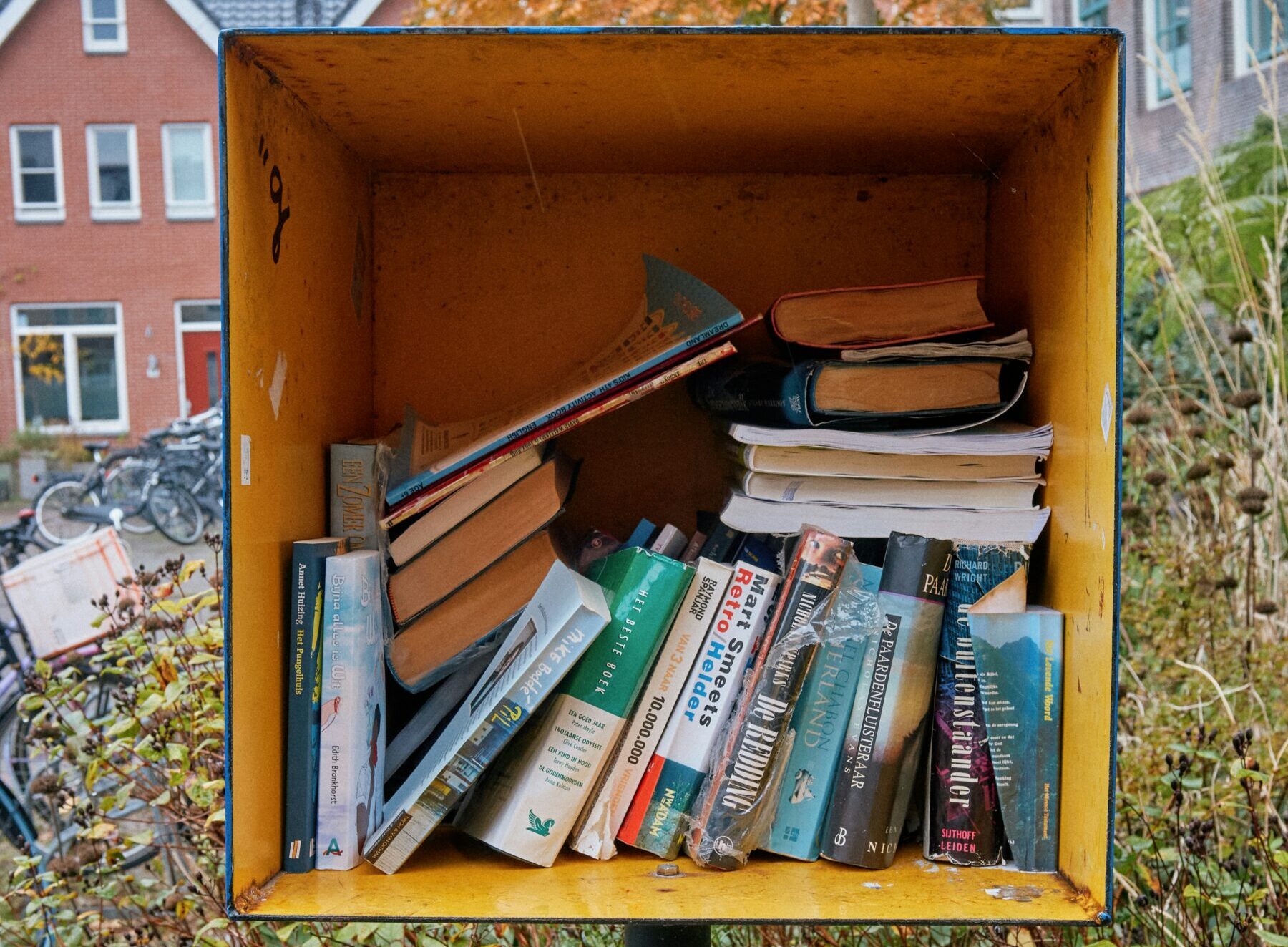
Since they have so much time in the shelters, I have noticed more people coming to find books at the public street libraries (where people leave books that anyone can take for free) located throughout cities in Israel. Today, we delivered evangelistic literature and Bibles to several of these small libraries. Perhaps this will help someone, and the Lord will bring salvation in this way. Please pray with us for fruit from this endeavor, as God promises His Word will not return void or empty.
We will continue to serve in practical ways and share the love of Jesus so people might come to know and love Messiah personally. The Lord’s peace is with us amid hardship, and we trust His promises. Thank you for praying, standing with us, and being part of what God is doing!