Week of November 3, 2026
Calls for National Unity Grow as Israel Struggles to Form New Government
Israeli President Isaac Herzog on Sunday called on the country’s political leaders to move beyond partisan divisions and find common ground in forming the next government, following last week’s inconclusive election which produced no clear governing majority and heightened concerns over the possibility of another election.
Although the president serves mainly as a ceremonial head of state and does not run the government, he plays an important role after elections. He meets with representatives of the elected parties, hears which candidate they recommend serving as prime minister, and then selects a lawmaker he believes has the best chance of forming a government. That lawmaker must negotiate with other parties to assemble a coalition with sufficient parliamentary support to govern.
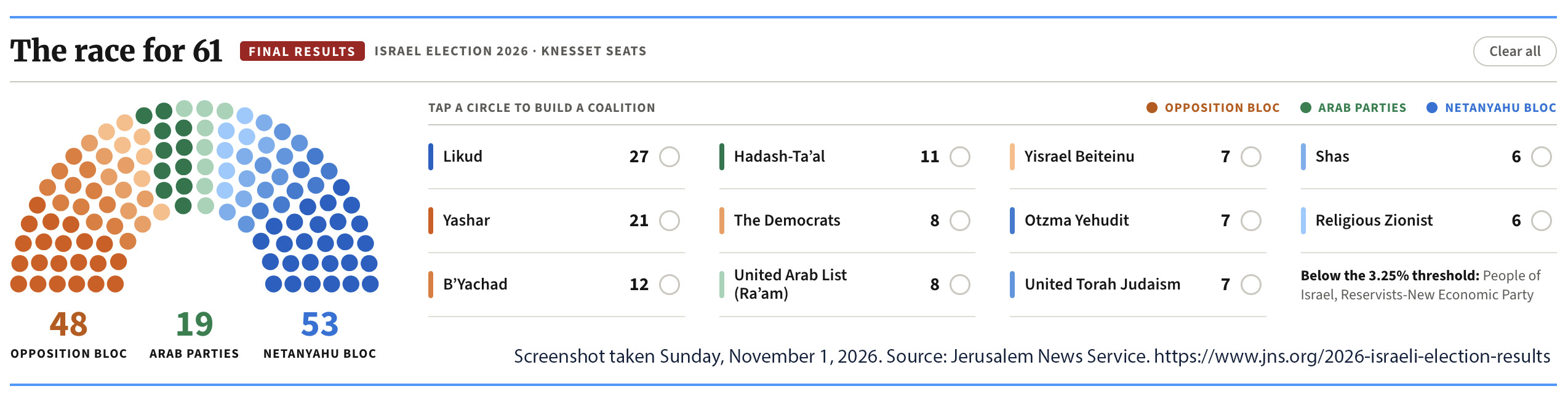
The final election results highlight the political challenges facing Israel. Prime Minister Benjamin Netanyahu’s bloc secured 53 seats, while the Jewish-led parties opposed to his continued leadership won 48 seats. Arab-led parties, including the Joint List and Ra’am, captured a combined 19 seats, potentially giving them an important role in determining whether an alternative government can be formed. However, several opposition parties have ruled out joining a coalition with Arab-led factions, complicating efforts to assemble a parliamentary majority.
Herzog announced that he will receive the official election results from Central Elections Committee Chairman Justice Noam Sohlberg on Wednesday before beginning consultations with representatives of the elected factions at the President’s Residence. He said the consultations would offer an opportunity to help the parties overcome the political impasse.
Speaking at a state memorial ceremony honoring Israel’s first president, Chaim Weizmann, Herzog said, “The elections are over, the election results are an established fact, they are reality.” He also urged political leaders to accept the outcome, saying, “This is the time to tell all the leaders: stop climbing trees, and face reality.”
During the consultations, faction leaders will present their recommendations for prime minister, after which Herzog will decide which lawmaker will receive the mandate to attempt to form the next government. The President’s Residence confirmed that Herzog had invited the heads of all elected factions to participate. Eyal Shviki, director general of the President’s Residence, said the president expected political representatives to approach the discussions constructively, with an open mind and a willingness to consider compromises.
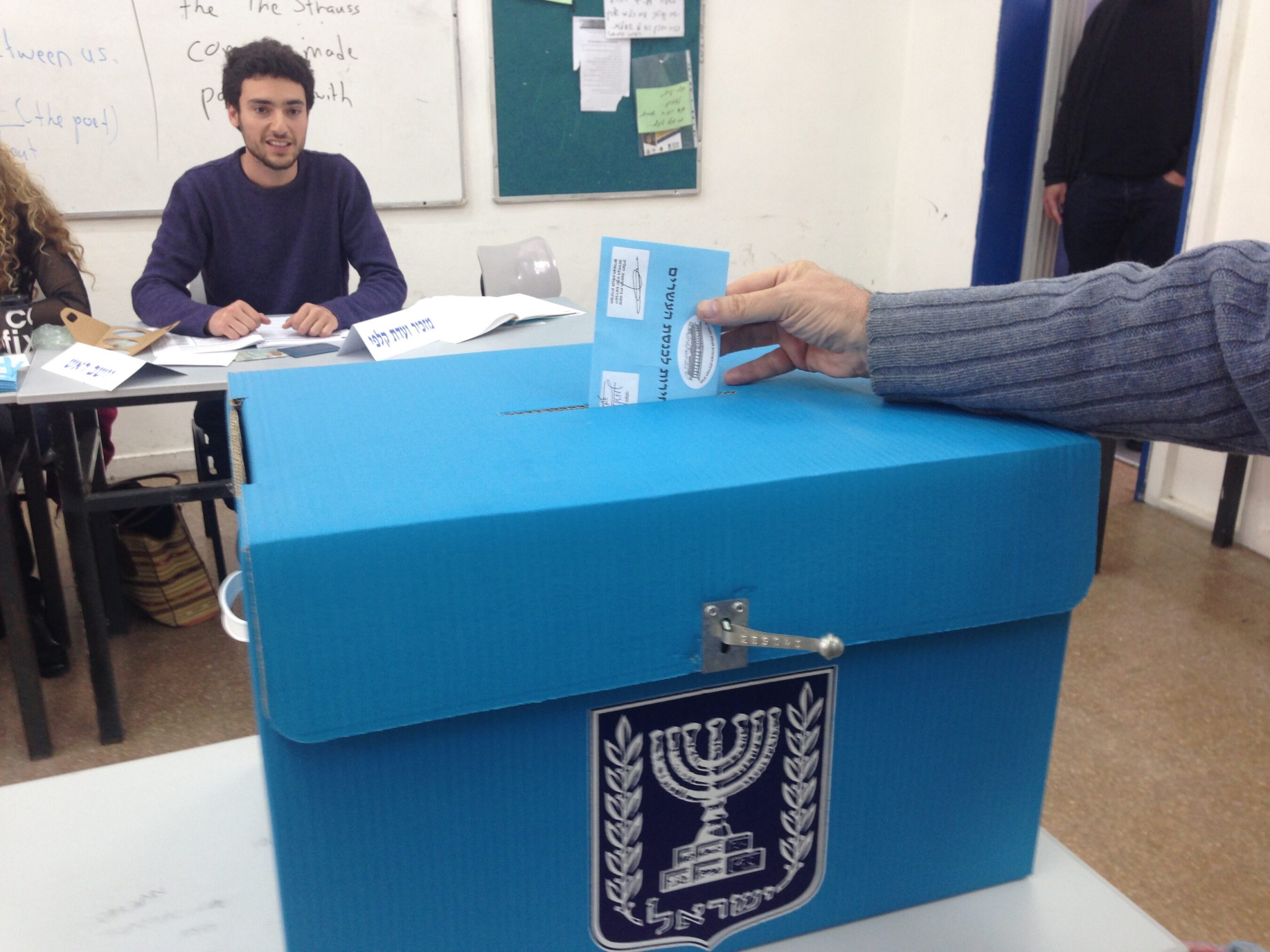
Israel has a parliamentary system, meaning that voters elect members of parliament rather than directly electing the prime minister. Israel’s parliament, the Knesset, has 120 members who are elected every four years, unless an early election is called. During elections, Israeli citizens vote for a political party rather than an individual candidate in a local district. Each party submits a list of candidates, and the percentage of the national vote it receives determines how many seats it wins in the Knesset. To qualify for seats, a party must receive at least 3.25% of the national vote.
After the election, the President of Israel selects a member of the Knesset who appears most likely to form a government, usually the leader of one of the larger parties. This person then negotiates with other political parties to form a coalition, an alliance of parties that agree to work together and support the government. To form a government, a candidate generally seeks the support of at least 61 of the Knesset’s 120 members. Once the proposed government receives a vote of confidence from the Knesset, the candidate who formed the coalition becomes prime minister. Therefore, Israelis vote directly for the political parties that make up the Knesset, but the prime minister is chosen indirectly through coalition negotiations and parliamentary support.
Herzog expressed hope that the consultations would give political leaders an opportunity to move beyond campaign positions, explore innovative solutions and reach a workable agreement. His appeal also appeared to encourage consideration of a national unity government that could bring together parties from opposing political camps. The discussions will test whether the parties can bridge their differences and form a government capable of securing parliamentary support. Without such an agreement, and if subsequent efforts to form a government fail, Israel could face yet another election. Ultimately, the challenge will be to assemble a governing coalition capable of ending the political deadlock and providing the country with a functioning government.
Pray that the Lord will guide Israel’s newly elected Knesset members and party leaders, granting them wisdom, humility, discernment, and hearts that seek His will above personal and political interests. Pray for the people of Israel during this time of transition, that the Lord will grant them patience, unity, and peace, protect them from division and unrest, and that His mercy, wisdom, and sovereign purposes will prevail throughout the land.
Israeli Military Tests New Cyber Defense Technologies in Five-Day Exercise
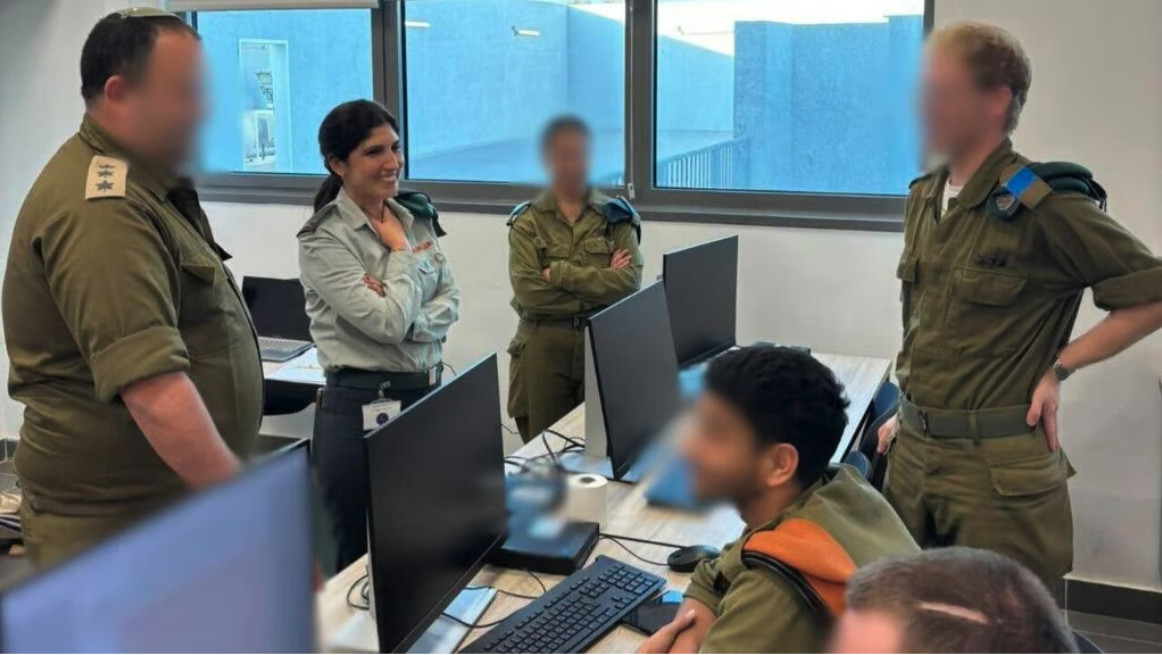
The Israel Defense Forces (IDF) recently conducted a five-day cyberwarfare exercise at its new Communications and Technology Campus in southern Israel, bringing together officer cadets and approximately 160 additional soldiers from the military’s communications and technology units. The exercise combined the development of practical military technologies with simulated cyberattacks, challenging participants to build operational systems while defending them against digital and physical intrusions.
Held for the first time at the new campus, the exercise brought together officer cadets completing their advanced technological training at Training Base 7 (Bahad 7) and additional soldiers serving in the IDF’s communications and technology units. The cadets were also tasked with managing teams comprising experienced career personnel and younger soldiers, assessing their capabilities, distributing responsibilities, and demonstrating leadership under realistic military conditions.
Two teams developed particularly significant technological solutions during the exercise. The first team, known as Rose, created a platform designed to identify potential threats against Israelis around the world by analyzing publicly available online information and detecting suspicious activity. One scenario examined during the exercise involved a message posted on Telegram discussing plans to attack a Chabad center in a popular tourist destination. The system is designed to analyze the content, assess the credibility and severity of the potential threat, and forward relevant findings for human review.
A second development team, known as Galileo, focused on creating a system to monitor international media coverage of the IDF. The platform is designed to analyze tens of thousands of international news reports daily, replacing the current time-consuming manual monitoring process. Using artificial intelligence, the system can identify reports mentioning the IDF, group multiple articles covering the same subject or event, and reduce duplication. It is also designed to assess factors such as a publication’s reach, unusual content, and source reliability. These capabilities allow analysts to examine broader media trends, identify emerging patterns, monitor fabricated reports, and help military personnel assess Israel’s international image.
Alongside the development teams, the defense team faced a simulated cyberattack conducted by fellow cadets using digital hacking techniques and concealed hardware. During one scenario, defenders discovered a concealed microphone installed in a workstation, while its wireless network had been given an inconspicuous name resembling an ordinary iPhone connection. The demonstration highlighted how seemingly legitimate devices and network connections can be used to compromise sensitive information. “We’re an attack investigation team, the people who trace every intrusion or compromise of a system,” two cadets explained.
Meanwhile, another cadet demonstrated how information could be extracted by exploiting electrical activity near electronic equipment. “You don’t even need to install a special sensor,” the cadet said. “It’s enough to bring our component close to the electrical current of the target device, and through it you can extract sound, visuals, whatever you want.”
As the exercise reached its final moments, the red team had one last surprise prepared. Concealed somewhere within the defenders’ headquarters was a cleverly disguised device, ready to unleash a flurry of paper messages across the room if the defenders failed to locate it before the exercise ended. Dubbed the “confetti-style bomb,” the unconventional device was designed to be triggered by the attackers with the press of a red button, turning the closing demonstration into an unforgettable spectacle and revealing the extent to which they had infiltrated a space presumed to be secure. Beyond its theatrical effect, the stunt offered a powerful illustration of how unexpected vulnerabilities can exist even within an organization’s most protected spaces.
The five-day exercise gave participants an opportunity to put their technical knowledge into practice while confronting realistic challenges involving technological development, cyberdefense, and threat detection. By combining the creation of new military systems with simulated attempts to compromise them, the exercise tested not only the participants’ technical abilities but also their capacity to respond under pressure, work across teams, and take on leadership responsibilities. The experience highlighted the importance of preparing the IDF’s next generation of technology officers to develop innovative solutions while anticipating and addressing the security challenges that accompany them.
Pray for God’s protection over Israeli forces, critical infrastructure, businesses, and citizens against cyberattacks and other digital threats. Pray that God’s wisdom, vigilance, and creativity would rest upon those working in the technology and cybersecurity sectors, both in the public and private sectors, equipping them to anticipate, prevent, and effectively respond to emerging threats.
Israeli Doctors Introduce New Pacemaker Technology Using Heart’s Natural Electrical Pathway
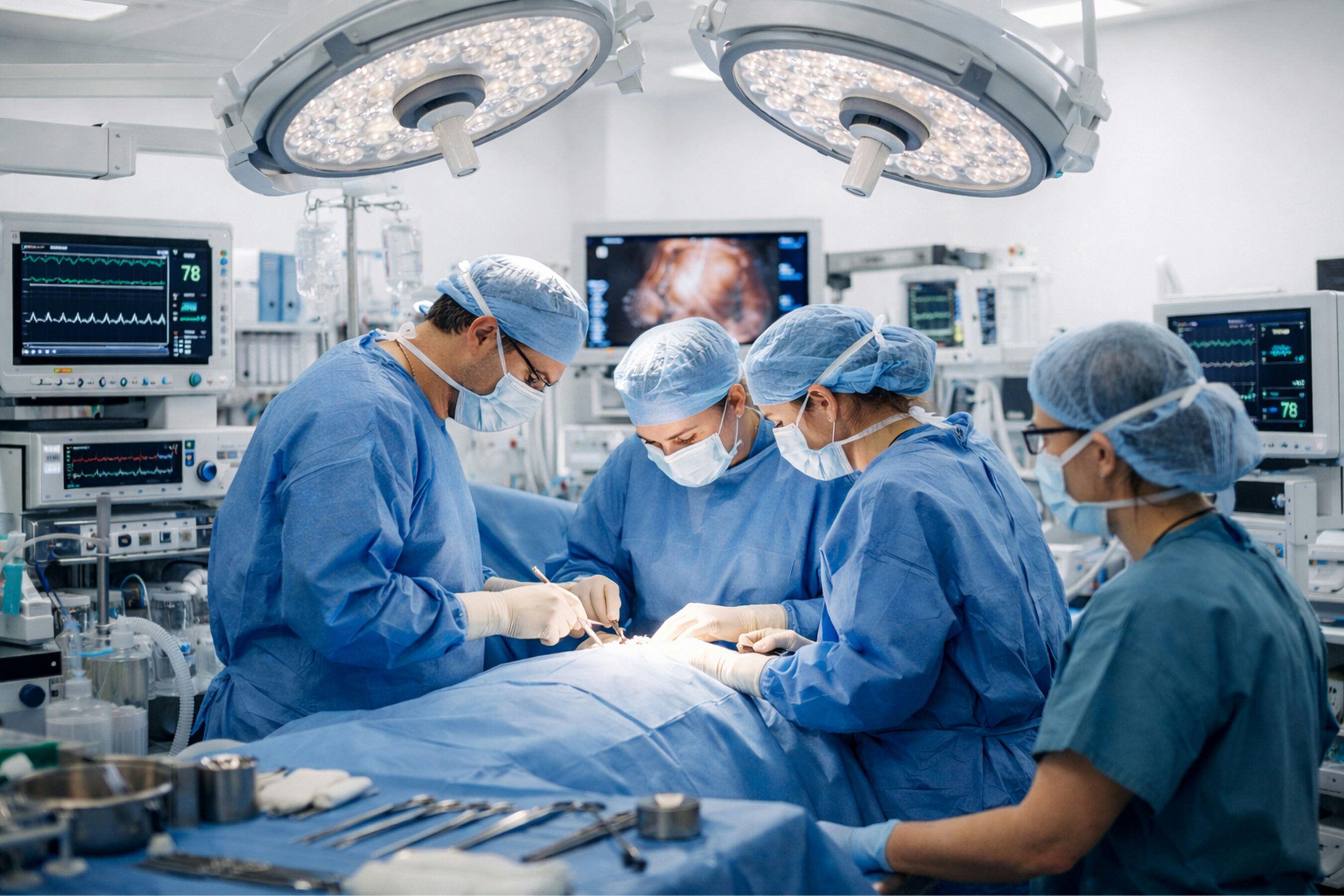
A new approach to pacemaker technology is opening additional possibilities in the treatment of abnormal heart rhythms. At Shaare Zedek Medical Center in Jerusalem, physicians have reached a significant medical milestone by successfully performing Israel’s first four implantations using a technique that works with the heart’s natural electrical conduction system bringing cardiac pacing closer to its normal physiological pattern
The procedure, introduced at the hospital’s Integrated Heart Center under the direction of Professor Michael Glikson, involves positioning a pacemaker electrode at a site known as Bachmann’s bundle. This natural electrical pathway transmits signals between the heart’s right and left atria, the two upper chambers that receive blood and pass it into the ventricles, the lower chambers responsible for pumping blood to the lungs and the rest of the body. For the heart to pump efficiently, electrical signals must travel in a precise sequence, coordinating the contractions of its four chambers. Bachmann’s bundle plays an important role in this process by helping electrical signals pass between the two atria allowing them to contract in synchrony.
In conventional pacemaker implantation, the electrode is generally placed in the right atrial appendage, a small extension of the heart’s right upper chamber. The new technique instead positions Medtronic pacemaker electrodes at Bachmann’s bundle, directly targeting the natural pathway that coordinates electrical activation between the two atria. By stimulating the heart at this location, the approach aims to promote more synchronized contractions and allow electrical signals to reach the left atrium more directly, reducing delays in its activation.
According to the hospital, the technique may be particularly suitable for patients with heart rhythm disorders or delays in electrical conduction between the atria although physicians must assess each patient’s individual condition and medical needs to determine whether the procedure is appropriate. As with any cardiac intervention, physicians must assess each patient’s individual condition and medical needs to determine whether the procedure is appropriate.
The four implantations were performed using Medtronic electrodes with the assistance of an international specialist who traveled from Greece to provide training and guidance to the medical teams. The successful procedures mark an important achievement for Shaare Zedek making this approach to cardiac pacing available to patients in Israel. The procedures were performed by Professor Michael Glikson, Dr. Ziv Dadon, Professor Yoav Michowitz, Dr. Moshe Rav-Acha, and Dr. Ohali Tuvia-Brody.
For Professor Michael Glikson, the accomplishment reflects a broader commitment to bringing the latest advances in cardiac technology to patient care. “We spare no effort in finding the best technological solution for each patient,” he explained. “I am proud of our outstanding professional teams, who continue to provide advanced, technologically innovative, compassionate, and dedicated medical care to every patient, without compromise.”
Please pray for continued advances in cardiac medicine and innovative technologies at Shaare Zedek Medical Center and throughout Israel, bringing healing and hope to patients in need. May medical professionals and international experts be blessed with wisdom, skill, and collaboration, and may pioneering techniques and successful medical breakthroughs expand to benefit patients in Israel and around the world who need specialized care and improved treatment options.
Jerusalem Women's Conference Creates Space for Prayer, Worship, and New Friendships
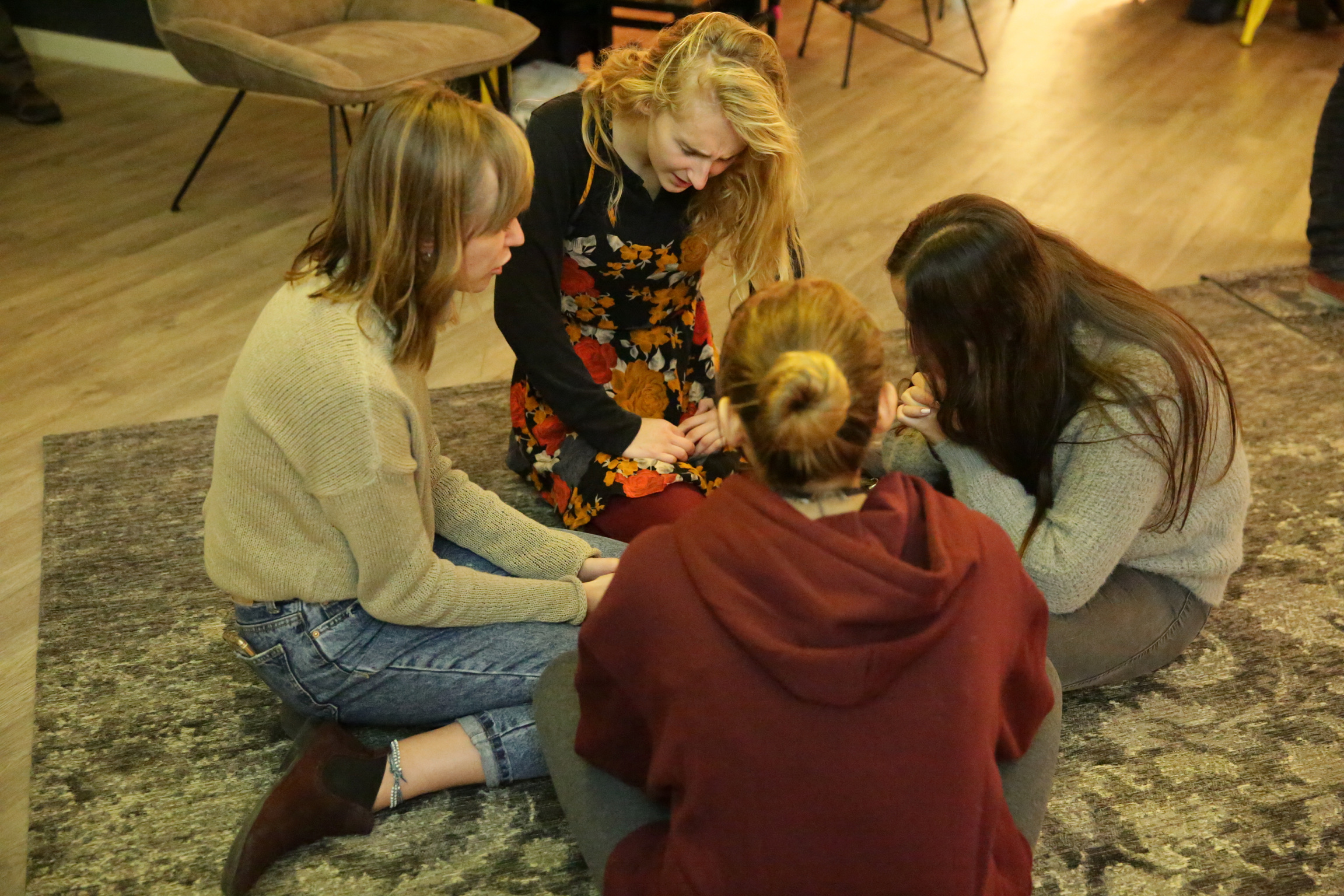
In the heart of Jerusalem, women from different walks of life recently came together for a special day of encouragement, fellowship, worship, and prayer. Our workers at the Jerusalem Messianic Center organized a women’s conference with a desire to offer something every woman needs: a place to feel welcomed, understood, valued, and loved. The theme of the gathering was “From Faith to Action,” inspired by James 2:17. Around 50–60 women, both believers and those who have not yet come to faith, joined us for this memorable occasion.
Every day, many women face serious challenges within their families and carry heavy responsibilities. Behind their daily routines are often unspoken struggles, worries, and burdens. They need encouragement, friendship, prayer, and sometimes simply someone willing to listen and understand. With this in mind, we wanted to create a welcoming space where women could step away from the pressures of everyday life, spend time together, worship, pray, enjoy fellowship, and find fresh encouragement in God’s Word.
And what a beautiful day it turned out to be!
The conference brought together wonderful speakers, meaningful discussions, heartfelt worship, delicious meals, and warm fellowship. One particularly special part of the day was the time spent praying in small groups. It was moving to see women praying for one another, opening their hearts, sharing personal experiences, forming new friendships, and offering each other encouragement.
There is something truly special about fellowship among women. They often understand one another’s struggles in a unique way and know how to offer comfort and support. Sometimes, a heartfelt conversation, a shared meal, or a simple moment of prayer can mean just as much as the formal program itself.
After the conference, we received many warm and encouraging messages from participants. Several women expressed their appreciation for the excellent organization, the speakers, and, above all, the welcoming atmosphere. One woman shared a particularly touching reflection:
“I have never been to receptions in palaces or royal residences, but yesterday I truly felt like a princess. The Lord invited His beloved daughters into His kingdom. Everything, down to the smallest detail, was worthy of the King of kings!”
What a beautiful way to describe the heart of this gathering!
This conference was much more than another event on the calendar. It was an opportunity for women to feel loved, valued, and encouraged. It was also a chance for those who do not yet know the Lord to experience His love through the warmth, kindness, and fellowship of believers.
But the relationships built that day do not end when a conference is over. Our ministry continues as we stay connected with these women through regular women’s breakfasts. These gatherings give us more opportunities to spend time together, strengthen friendships, encourage one another, and share God’s Word.
We are grateful for every woman who came, every conversation shared, every prayer offered, and every new friendship that began. Our hope is that the encouragement received during this special day will continue to bear fruit in the lives of these women as faith is put into action, one relationship and one act of love at a time.
Please pray for the women who attended the conference, that the Lord will continue to work in their hearts and deepen the relationships that began during this special time together. Pray also for our ongoing women’s meetings and the upcoming retreat in November. May the Lord prepare the hearts of those who will attend, bless our time of fellowship, and use these gatherings to draw many closer to Him as we come together around His Word and reflect on the gift of His salvation. May each woman experience His love, encouragement, and transforming grace.