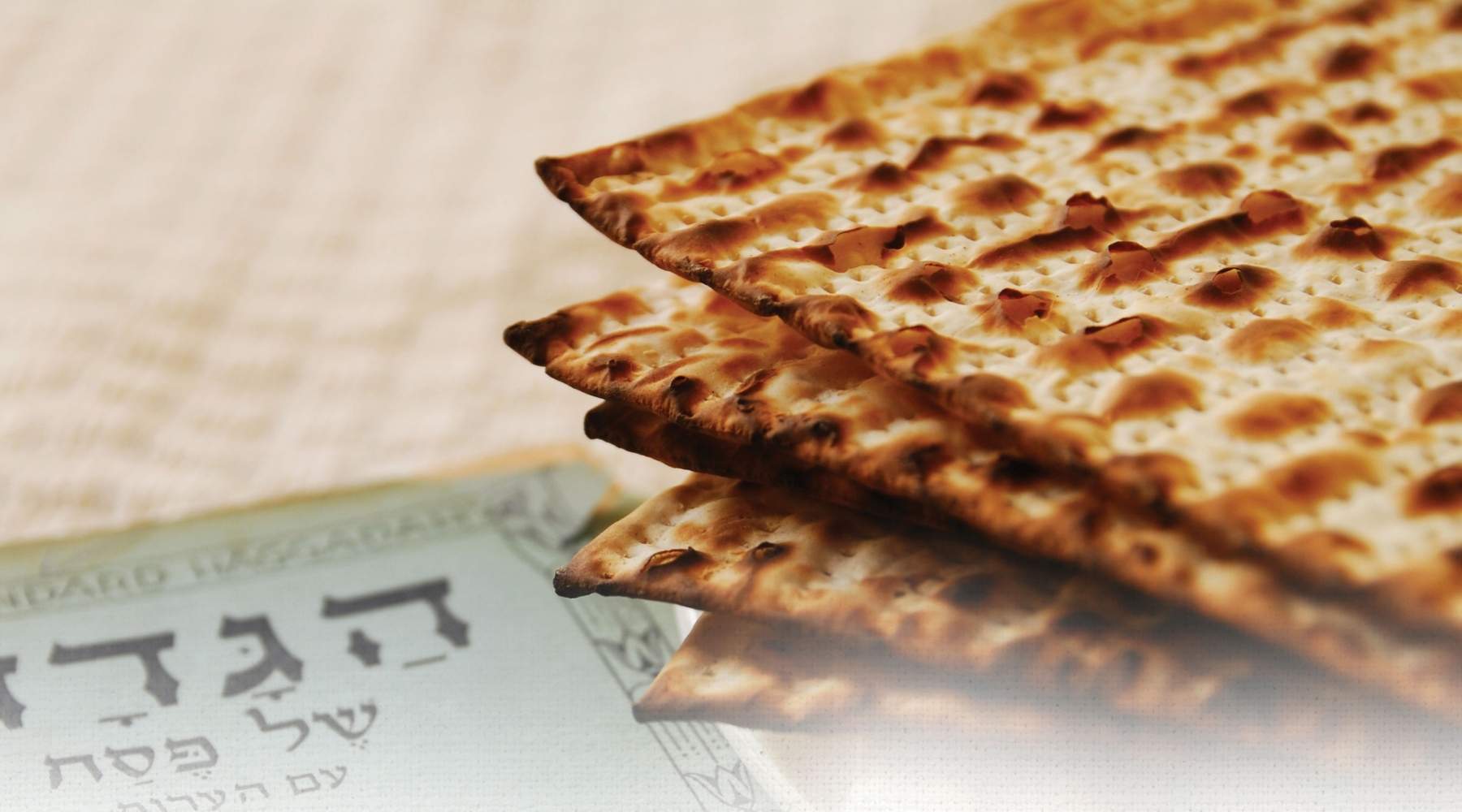
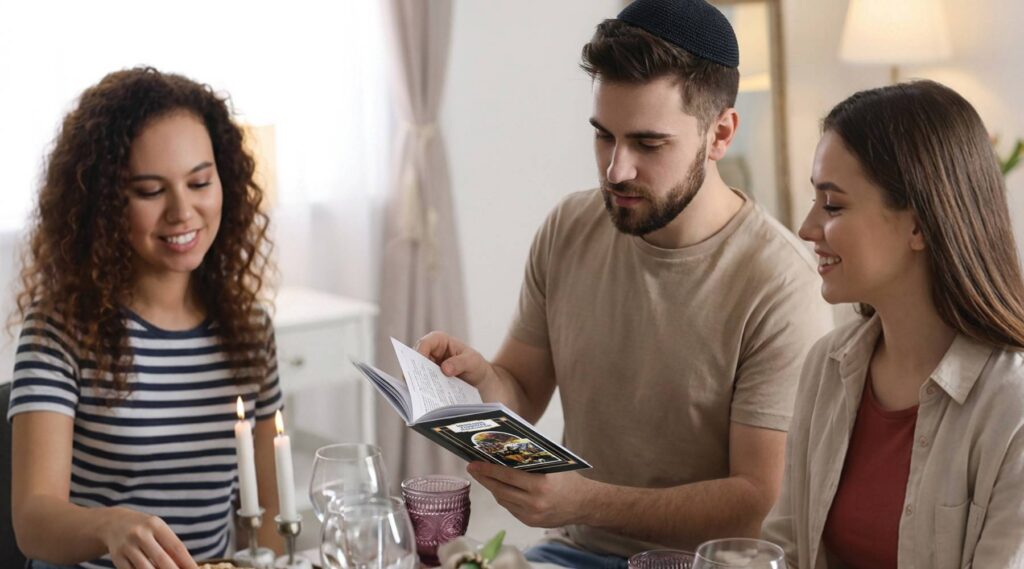
For centuries, Passover has been celebrated with the help of a Haggadah: a book or booklet that includes liturgy, stories, participatory reading, and biblical references to guide Jewish families in their celebration of this holy festival. The Haggadah, which means “the telling,” was compiled by Jewish sages over hundreds and perhaps thousands of years.
The word Seder simply means “order” and refers to an order of service designed to tell the story of the Passover. This telling (Haggadah) reminds the children of Israel each year of what God did by the hand of Moses when He delivered them from Egyptian bondage.
The Feast of Passover is especially for children, as they can personally participate in the Seder. By touching, tasting, and smelling the elements on the Seder table, participants are brought back to the great events of the original Exodus and become better able to identify with the Exodus and the redemption of the children of Israel.
Yet, for followers of the Messiah, the story of redemption reminds us not only of the deliverance from Egypt, but also the redemption and deliverance from sin that God has provided through His Son. We believe that Jesus (Yeshua) celebrated an early form of the Passover Seder with His disciples. This Haggadah, especially created for you and your family, will wed these two great stories of redemption together. Let us now join the Savior on that night when He celebrated His last Seder on this earth with His disciples.
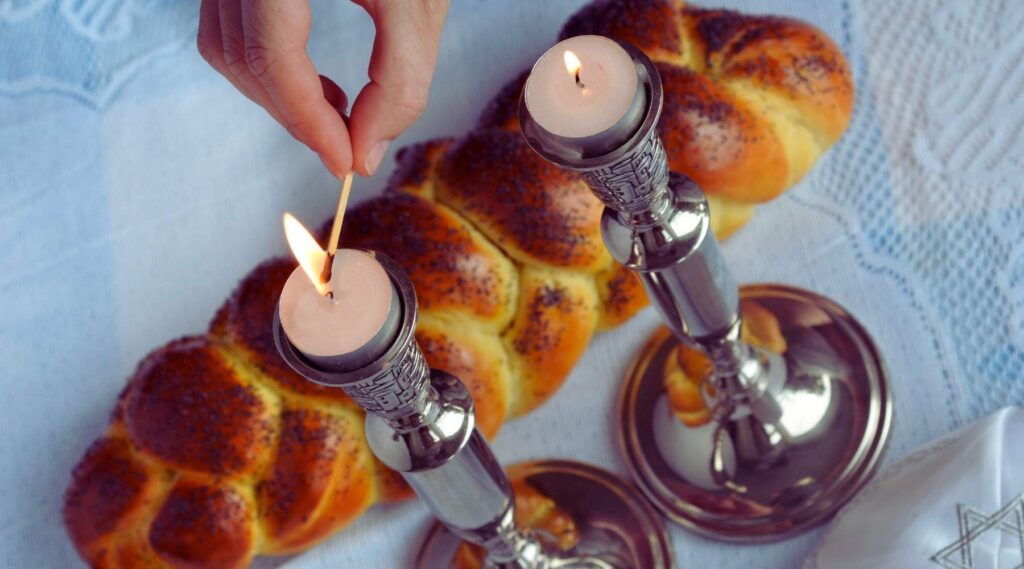
Lighting of the Candles
The woman of the house says a blessing and lights the Passover candles because it was through the woman that the light of the world, Messiah Jesus, came into the world (Genesis 3:15; Luke 2:7).
The woman of the house recites the following Hebrew prayer:
Baruch Atah, Adonai, Eloheinu Melech ha’olam, asher kidshanu b’mitzvotav, v’tzivanu l’hadlik ner shel yom tov.“Blessed are You, O Lord our God, King of the universe, who has sanctified us with His commandments and commanded us to kindle the festival lights.”
This prayer is said as the candles are lit, and John 8:12 can be read afterward to remind the family that Jesus is the light of the world.
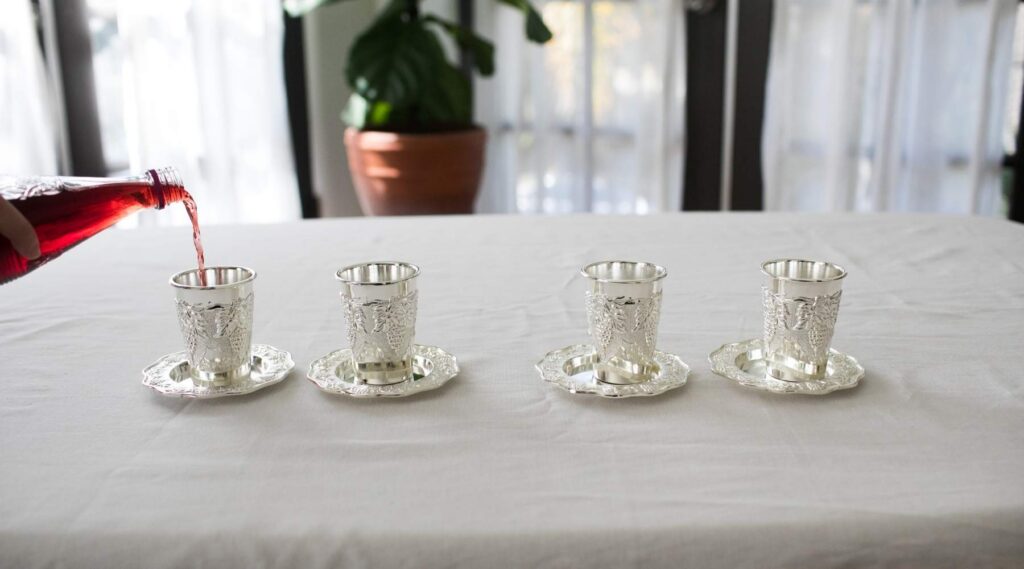
The Four Cups of the Fruit of the Vine
The Passover Seder is structured around the four cups of grape juice or wine, which serve as the foundation for the experience. Each cup is named after one of the four specific promises that God made to Israel in Exodus 6:6–7. Each cup is thematically connected to a different stage of the Passover story:
- The Cup of Sanctification
- The Cup of Plagues
- The Cup of Redemption
- The Cup of Praise
The First Cup: The Cup of Sanctification
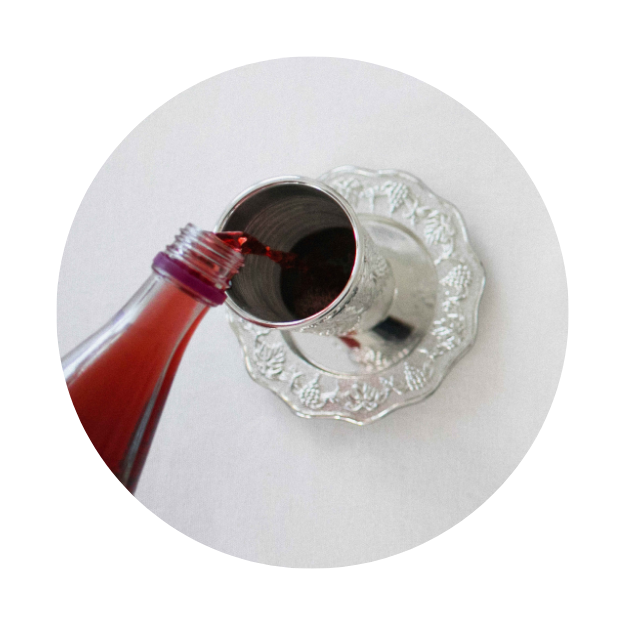
The Seder begins with a blessing recited over the first cup, the Cup of Sanctification. This first cup is meant to sanctify the rest of the evening as a holy occasion. Passover moves us to rejoice and celebrate God’s goodness to His people.
All fill the cup. The leader recites the blessing and all drink:
Baruch Atah, Adonai, Eloheinu Melech ha’olam, borey pri ha’gafen.“Blessed are You, O Lord our God, King of the universe, Creator of the fruit of the vine.”
Dipping of the Parsley (Exodus 12:21–22)
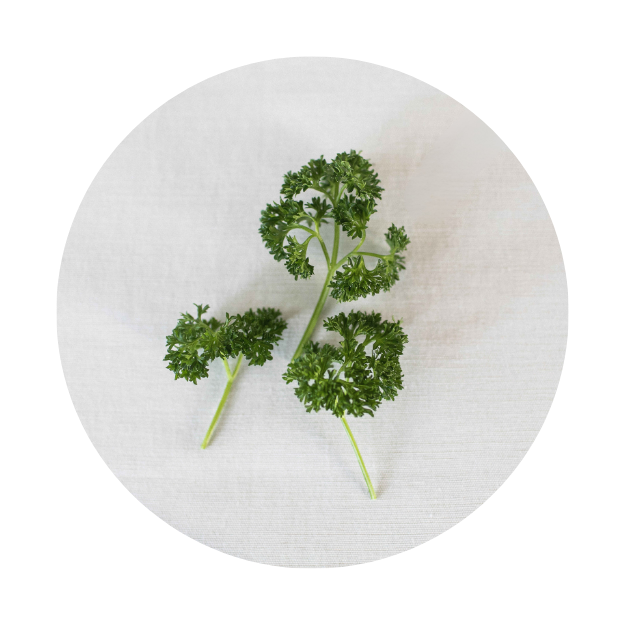
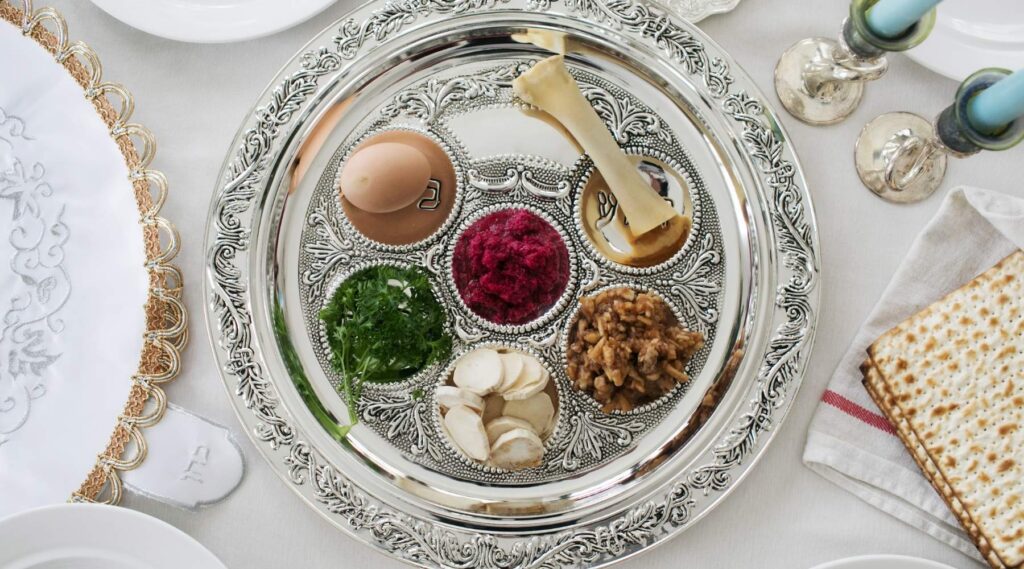
The parsley symbolizes the hyssop used to place the blood of the Passover lamb on the doorposts and lintels of the homes of the children of Israel during the tenth plague that the Lord visited upon Egypt (the slaying of the firstborn). The salt water represents the tears of the children of Israel and the Red Sea. We are therefore reminded of the tears shed by those not yet redeemed and still in slavery.
All dip a sprig of parsley in the salted water, the leader recites the blessing, and all eat the parsley.
Baruch Atah, Adonai, Eloheinu Melech ha’olam, borey pri ha’adamah.“Blessed are You, O Lord our God, King of the universe, Creator of the fruit of the earth.”
Breaking of the Middle Matzah
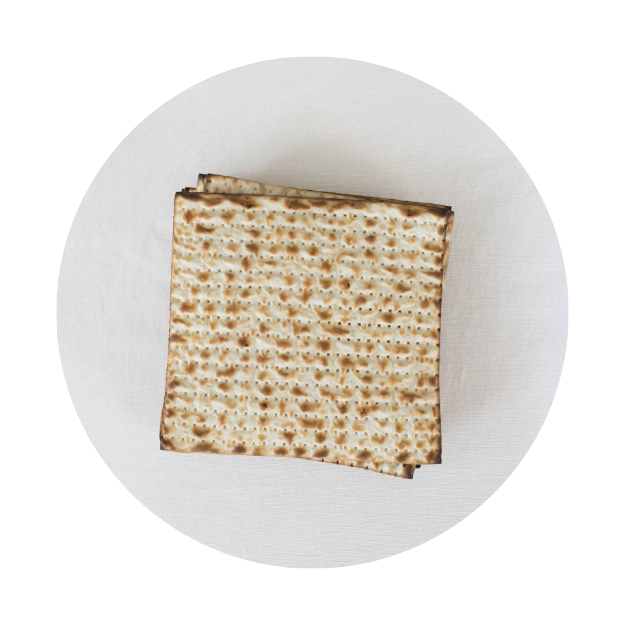
One of the central elements of the Passover is matzah (unleavened bread). For the Passover Seder, three separate sheets of matzah are inserted into a bag with three compartments, known as the matzah tash.
In Jewish tradition, this three-in-one bag has many interpretations. Believers in Jesus suggest this could be a representation of the triune nature of God: the Father, the Son, and the Holy Spirit. This is a mystery since Judaism is non-trinitarian. Jewish tradition claims this represents Abraham, Isaac, and Jacob.
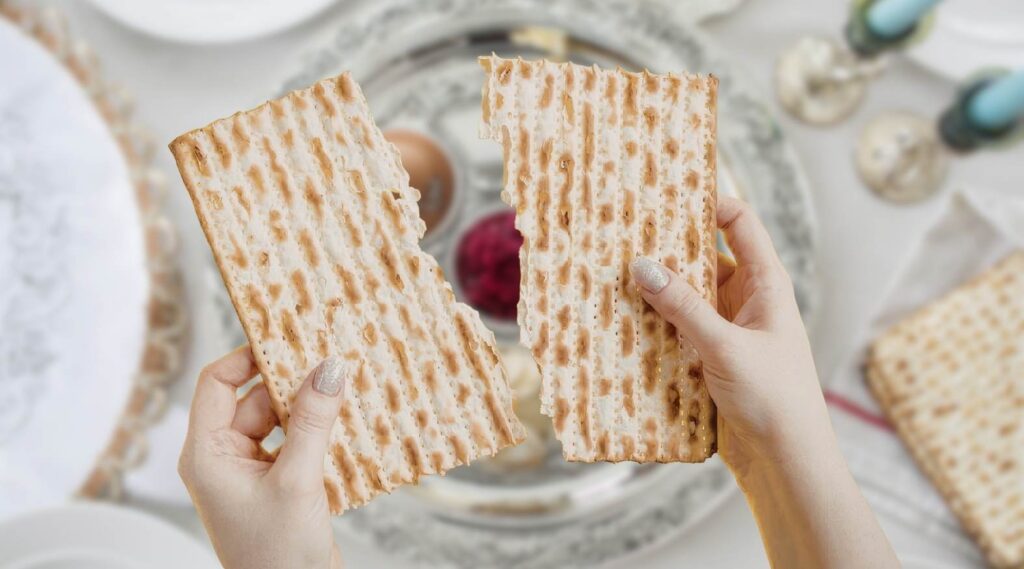
The leader takes the middle matzah, breaks it in two, and puts one half back in the middle of the matzah tash. He then wraps the other half, now known as the afikomen (literally, “what comes later”), in a white napkin and hides it. This hidden matzah will reappear at the conclusion of the Passover meal.
The Story of the Passover (Read Exodus 12:1–15)
It is tradition to read the story of the Passover every year at the Seder, to ensure that every generation keeps the memory of Israel’s deliverance from slavery alive. Feel free to read more than the above passage!
The Four Questions
As the reading of the Exodus story, the youngest child asks the Four Questions to the leader of the Seder. This will result in further explanations from the leaders of the Seder.
Ma nishtanah ha’laila ha’zeh mi’kol ha’lailot? “Why is this night different from all other nights?”
- “On all other nights, we eat bread with leaven. On this night, why do we eat only matzah?”
- “On all other nights, we eat all kinds of vegetables. On this night, why do we eat only bitter herbs?”
- “On all other nights, we never think of dipping herbs in water or in anything else. On this night, why do we dip the parsley in salt water?”
- “On all other nights, we eat either sitting or reclining. On this night, why do we eat only reclining?”
The leader of the Seder responds to the questions with traditional answers:
We were slaves to Pharaoh in Egypt, and God brought us out with a strong hand and an outstretched arm. If God had not brought our ancestors out of Egypt, we, our children, and our children’s children would still be subjugated to Pharaoh in Egypt. Even if we were all old and wise and learned in Torah, we would still be commanded to tell the story of the Exodus from Egypt.
The leader might add some New Testament passages about the ways in which the shed blood of the Lamb of God frees us to enjoy a joyful new life.
The Ten Plagues
The second cup—the Cup of Plagues—reminds us of God’s judgment on His enemies, and yet, we should also show compassion for those suffering because of their sinful and rebellious behavior. For this reason, the contents of the second cup is reduced by one drop per plague.
The second cup is filled.
The leader of the Seder leads the group in a recitation of the ten plagues that the Lord poured out upon the Egyptians.
To reduce the second cup, each participant dips their little finger into the cup, removing one drop and placing it onto a plate in front of them, once for each plague. The names of the plagues are recited in unison as the drops are removed.
Blood! Frogs! Gnats! Flies! Pestilence! Boils! Hail! Locusts! Darkness! Slaying of the Firstborn!
Name the plagues loud and clear, as this is designed to help the children remember the holiness and justice of God.
It Would Have Been Enough
While we do not rejoice over the fate of our enemies, we do recognize the magnitude of God’s salvation and remember His greats acts of grace on behalf of His people. With a grateful heart and a healthy fear of the Lord, we sing Dayenu together. The Hebrew word dayenu means “it is enough” and teaches us to be satisfied with what God provides. There are numerous verses to this song, and you might also want to use this time to share what good things God has done for those seated at the table.
Ilu hotzi, hotzianu, hotzianu miMitzrayim, hotzianu miMitzrayim, dayenu! Dai-dai-yenu, dai-dai-yenu, dai-dai-yenu, dayenu, dayenu! “Had God done nothing but save us from the land of Egypt, for that alone we would have been satisfied!”
Ilu natan natan lanu, natan lanu et haTorah, natan lanu et haTorah, dayenu! Dai-dai-yenu, dai-dai-yenu, dai-dai-yenu, dayenu, dayenu! “Had God given us nothing more than the Torah, for that alone we would have been satisfied!”
Ilu natan natan lanu, natan lanu et Yeshua, natan lanu et Yeshua, dayenu!Dai-dai-yenu, dai-dai-yenu, dai-dai-yenu, dayenu, dayenu! “Had God given us nothing more than Yeshua, for that alone we would have been satisfied (yet He continues to give us so much more)!”
Second Cup: The Cup of Plagues
The reduced second cup, the Cup of Plagues (also called the Cup of Judgment), is raised and all recite the following:
Truly, we can say Hallelujah for the great redemption that God has wrought on our behalf, redemption at a terrible price: in Egypt, the death of the firstborn; for us, redemption from sin, the death of God’s Son. “For God so loved the world, that He gave His only begotten Son, that whoever believes in Him shall not perish, but have eternal life” (John 3:16).
The leader recites the blessing, all drink:
Baruch Atah, Adonai, Eloheinu Melech ha’olam, borey pri ha’gafen. “Blessed are You, O Lord our God, King of the universe, Creator of the fruit of the vine.”
The Lamb Shankbone
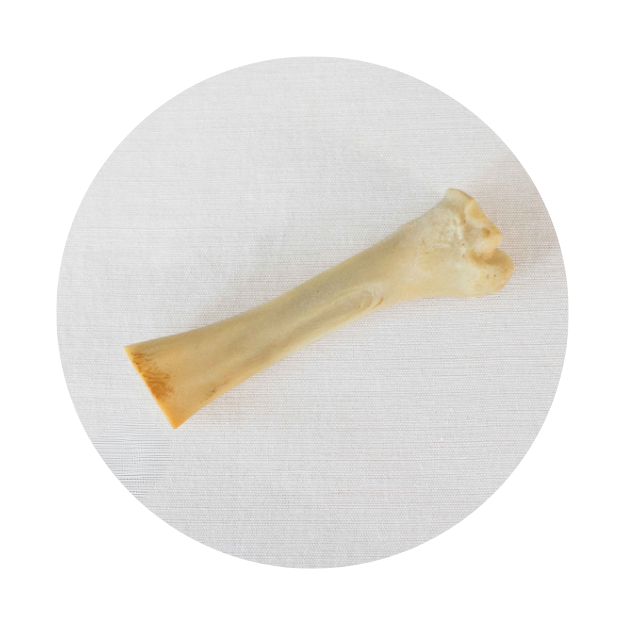
The lamb shankbone is a symbol of the Temple sacrifice. It sits on the Passover plate as a reminder of the first Passover lamb sacrificed for the children of Israel. Its blood was applied to the lintel and doorposts of their homes. We also take this moment to reflect upon the death of Jesus for our sins, as He was the Lamb of God who takes away the sin of the world (John 1:29).
We explain to our children, and anyone who does not yet know, about the requirement of the shedding of blood for the forgiveness of sin (Leviticus 17:11; Hebrews 9:22).
Washing of the Hands
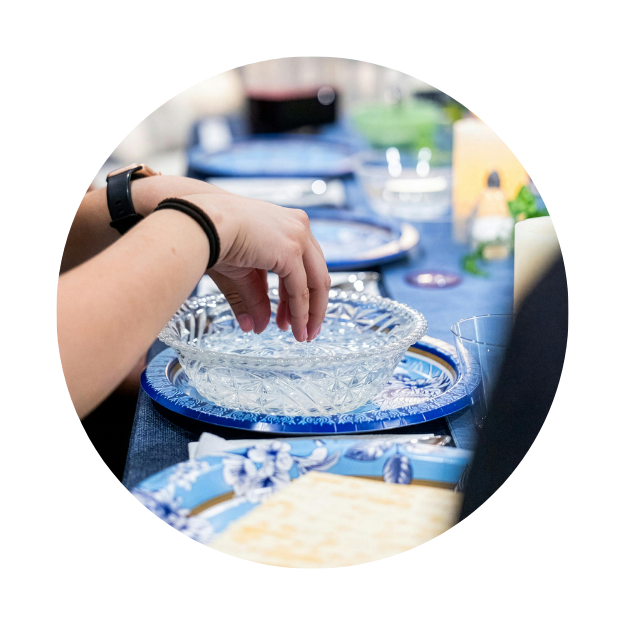
This symbolic washing of the hands reinforces the need for personal holiness. Yeshua appears to have taken this a step further by washing the feet of His disciples, providing us with an unparalleled lesson in servanthood and humility (John 13:2–17). Feel free to use a small bowl filled with water and pass it around to the participants.
Baruch Atah, Adonai, Eloheinu Melech ha’olam, asher kidshanu b’mitzvotav v’tzivanu al n’tilat yadayim.“Blessed are You, O Lord our God, King of the universe, who sanctified us with His commandments, and commanded us concerning the washing of hands.”
Motzi, Matzot
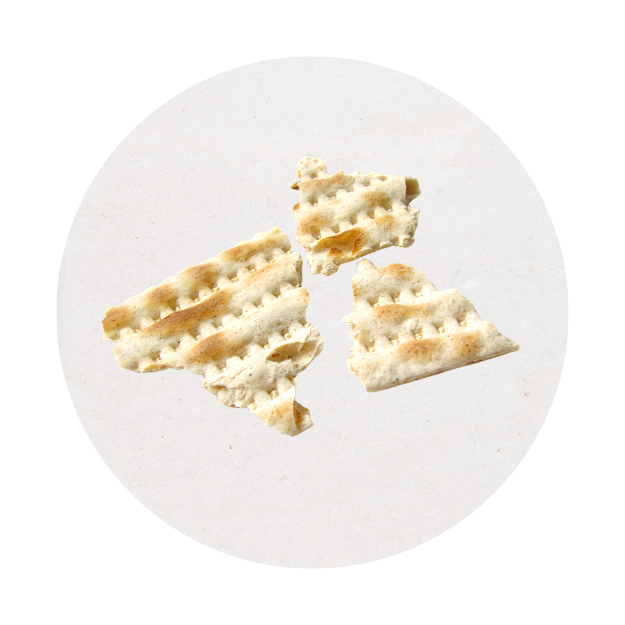
The family then tastes the remaining elements on the Seder plate. Each one helps us connect with a different step in the process of Israel’s deliverance from slavery. For believers in Jesus the Messiah, these elements remind us of our deliverance from slavery to sin to freedom in the Messiah.
The matzah tash is raised, and the following blessing is recited.
Baruch Atah, Adonai, Eloheinu Melech ha’olam, ha’motzi lechem min ha’aretz. “Blessed are You, O Lord our God, King of the universe, who brings forth bread from the earth.”
A portion of matzah is passed from person to person, with each person breaking off a small piece of matzah. Then, all recite the following blessing:
Baruch Atah, Adonai, Eloheinu Melech ha’olam, asher kidshanu b’mitzvotav v’tzivanu al achilat matzah. “Blessed are You, O Lord our God, King of the universe, who sanctified us with His commandments, and commanded us concerning the eating of unleavened bread.”
Eat the matzah together.
Eating of the Bitter Herbs
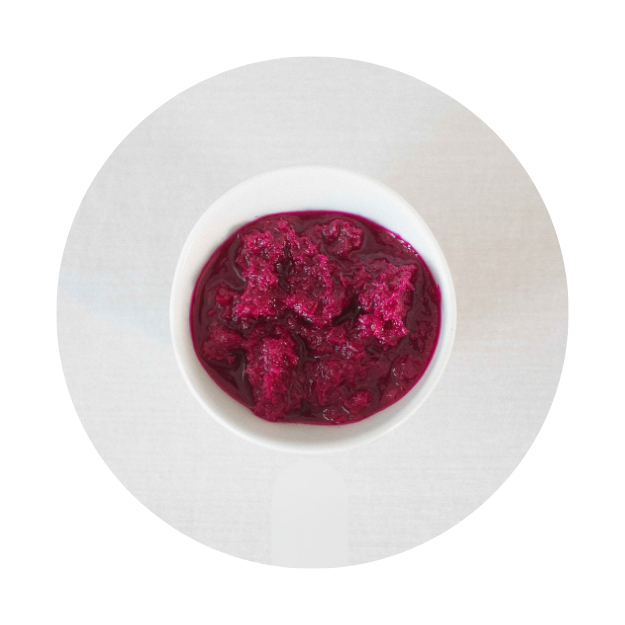
The maror (bitter herbs) reminds us of the bitterness of Israel’s slavery in Egypt and humankind’s slavery to sin. It is tradition to dip one’s matzah and take a heaping portion of the bitter herb.
Each person breaks an olive-sized piece of matzah and dips it in the bitter herbs (spicy horseradish). The following blessing is recited:
Baruch Atah, Adonai, Eloheinu Melech ha’olam, asher kidshanu b’mitzvotav v’tzivanu al achilat maror. “Blessed are You, O Lord our God, King of the universe, who sanctified us with His commandments, and commanded us concerning the eating of the bitter herbs.”
All eat the bitter herbs.
Eating of the Bitter Herbs and Charoset
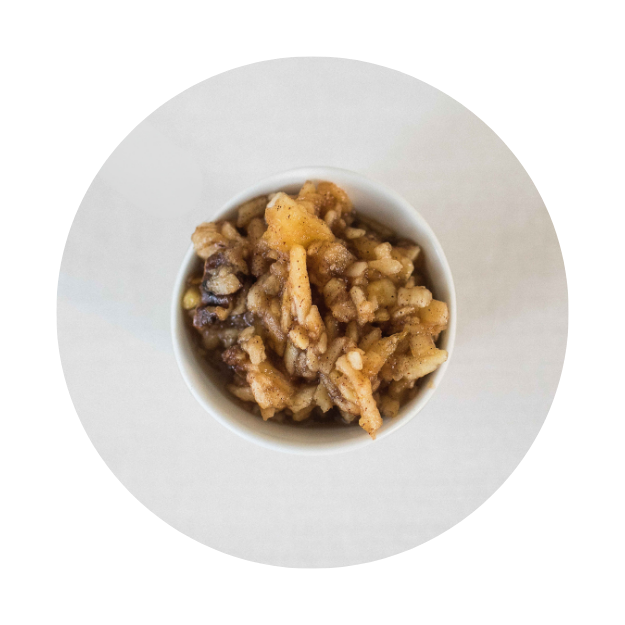
The charoset (sweet mixture) symbolizes the mortar the children of Israel used to make the bricks as they toiled under Pharaoh’s harsh taskmasters.
This combination of bitter and sweet reminds us that God’s promise can bring joy amid sorrow.
Each person takes two small pieces of matzah and places some charoset and maror in the middle. All eat together.
This would be a good time to tell stories of God’s grace and mercy in the midst of life’s challenges and perhaps quote Romans 8:28.
The Roasted Egg

The roasted egg on the Seder plate is a reminder of the roasted daily Temple sacrifice that no longer can be offered because the Temple no longer stands, and that there is no sacrifice to bring righteousness before God.
It is a reminder to pray for those Jewish people who are waiting for the Messiah and even those who are more secular and yet yearn for inner peace and hope beyond this life. Religious Jewish people believe the Temple will be rebuilt when the Messiah comes.
The Prepared Meal
The Passover meal can now be served. Eat, tell stories, and enjoy! Be sure to use the recipes provided!
Finding and Eating the Afikomen
After the meal is finished, the leader of the Seder sends the children to find the afikomen, which is the middle piece of matzah that was broken, wrapped in a napkin, and hidden before the meal. The child who finds it brings it to the leader of the Seder, who redeems the afikomen with a symbolic reward, usually some money or chocolate.
The leader of the Seder then unwraps the afikomen, blesses it, and breaks it up into small olive-sized pieces. He then distributes a small piece to everyone seated around the table, and the following prayer is said:
Baruch Atah, Adonai, Eloheinu Melech ha’olam, ha’motzi lechem min ha’aretz. “Blessed are You, O Lord our God, King of the universe, who brings forth bread from the earth.”
All reflect on Yeshua’s bodily sacrifice, then eat the afikomen together in unison, reminding us that Yeshua the Messiah distributed His life to all who believe. We might also reflect upon the appearance of traditional matzah, which is made both striped and pierced, as His body was striped and pierced (Isaiah 53:5).
For believers in Yeshua, we believe it was at this point in the Passover Seder when Yeshua revealed His identity to His disciples and the suffering and death He would soon endure: “And when He had taken some bread and given thanks, He broke it and gave it to them, saying, ‘This is My body which is given for you; do this in remembrance of Me’” (Luke 22:19).
We believe that Yeshua Himself was the middle piece of matzah. He was broken in death, wrapped for burial, and resurrected from the dead. The matzah represents His sin-free (unleavened) sacrifice for our redemption from sin and death.
All eat the matzah, which can be a time of Communion, depending on your beliefs about the Lord’s Supper.
Third Cup: The Cup of Redemption
The Cup of Redemption is based on God’s promise in Exodus 6:6, “I will also redeem you with an outstretched arm and with great judgments.” It is a reminder of the lamb’s blood, the price paid for Israel’s promised redemption. In the same way, Yeshua took this cup when He spoke the words in Luke 22:20, “This cup which is poured out for you is the new covenant in My blood.” In so doing, He spoke of a greater redemption than the Israelites experienced in Egypt: the redemption and deliverance of humankind, forgiven of sin through the shed blood of the Lamb of God. Yeshua is quoting from the great New Covenant prophecy given in Jeremiah 31:31–34.
The cup is filled and the following blessing is recited:
Baruch Atah, Adonai, Eloheinu Melech ha’olam, borey pri hagafen. “Blessed are You, O Lord our God, King of the universe, Creator of the fruit of the vine.”
Again, all drink the cup, which can be a time of Communion, depending on your beliefs about the Lord’s Supper.
Elijah’s Cup (Luke 1:17; Malachi 4:5–6)
The Bible tells us in Malachi 4:5 that Elijah will appear to herald the coming of the Messianic King: “Behold, I am going to send you Elijah the prophet before the coming of the great and terrible day of the Lord.”
It is tradition to have an additional place setting, complete with a cup of the fruit of the vine, for Elijah at Passover. The leader of the Seder usually sends a child to the front door to look outside and see if Elijah is coming. So far, he has never attended a Seder!
But has he? The Bible tells us in Luke 1:17, speaking of John the Baptist, “It is he who will go as a forerunner before Him in the spirit and power of Elijah.” John did indeed come to fulfill Elijah’s role as herald to announce the first coming of the Messiah, fulfilled in the coming of the Messiah Jesus.
Fourth Cup: The Cup of Praise
In response to redemption, we rejoice, knowing that the Jewish people were delivered from Egyptian bondage and that both Jewish and Gentile followers of the Messiah were redeemed from the bondage of sin and death. The fourth and final cup of the Passover Seder is the Cup of Praise—a cup of rejoicing, joy, and consummation. It is a reminder of Israel’s promised future beyond slavery in Egypt—dwelling instead in freedom in the Promised Land—and a foreshadowing of the glorious future for Israel and the world to come in the age of the Messianic kingdom.
The cup is filled, all lift it, and the following blessing is recited:
Baruch Atah, Adonai, Eloheinu Melech ha’olam, borey pri hagafen. “Blessed are You, O Lord our God, King of the universe, Creator of the fruit of the vine.”
All drink.
Next Year in Jerusalem!
It is tradition to conclude the Seder with a joyous proclamation of hope and faith by reciting (All try to say it together with FEELING!) in unison:
L’shana ha’ba’ah b’Yerushalayim! “Next Year in Jerusalem!”
This has great meaning to followers of Jesus the Messiah because we expect Him to return—soon! We know that as surely as the Messiah came once to redeem us from sin, so He will come again as judge to establish His kingdom. As God promises through the prophet Isaiah,
For a child will be born to us, a son will be given to us; and the government will rest on His shoulders; and His name will be called Wonderful Counselor, Mighty God, Eternal Father, Prince of Peace. There will be no end to the increase of His government or of peace, on the throne of David and over his kingdom, to establish it and to uphold it with justice and righteousness from then on and forevermore. The zeal of the Lord of hosts will accomplish this. (Isaiah 9:6–7)
And as the apostle Paul wrote,
Therefore, my beloved brethren, be steadfast, immovable, always abounding in the work of the Lord, knowing that your toil is not in vain in the Lord. (1 Corinthians 15:58)
Happy Passover!
You can use these pages as your own copy of a Messianic Haggadah.
We prepared a step by step video guide to the Passover Seder as well. Scan the QR code or visit chosenpeople.com/mipvideos, and you will find more information to help you with your family Seder (works well with small groups as well), and we hope this will be an enriching experience for you in the Lord.
Sign up to receive our email newsletters
Get the latest news from Israel, insights from Dr. Mitch Glaser, international ministry reports, as well as videos and podcasts, downloadable resources, discounts in our online store, and much more!