
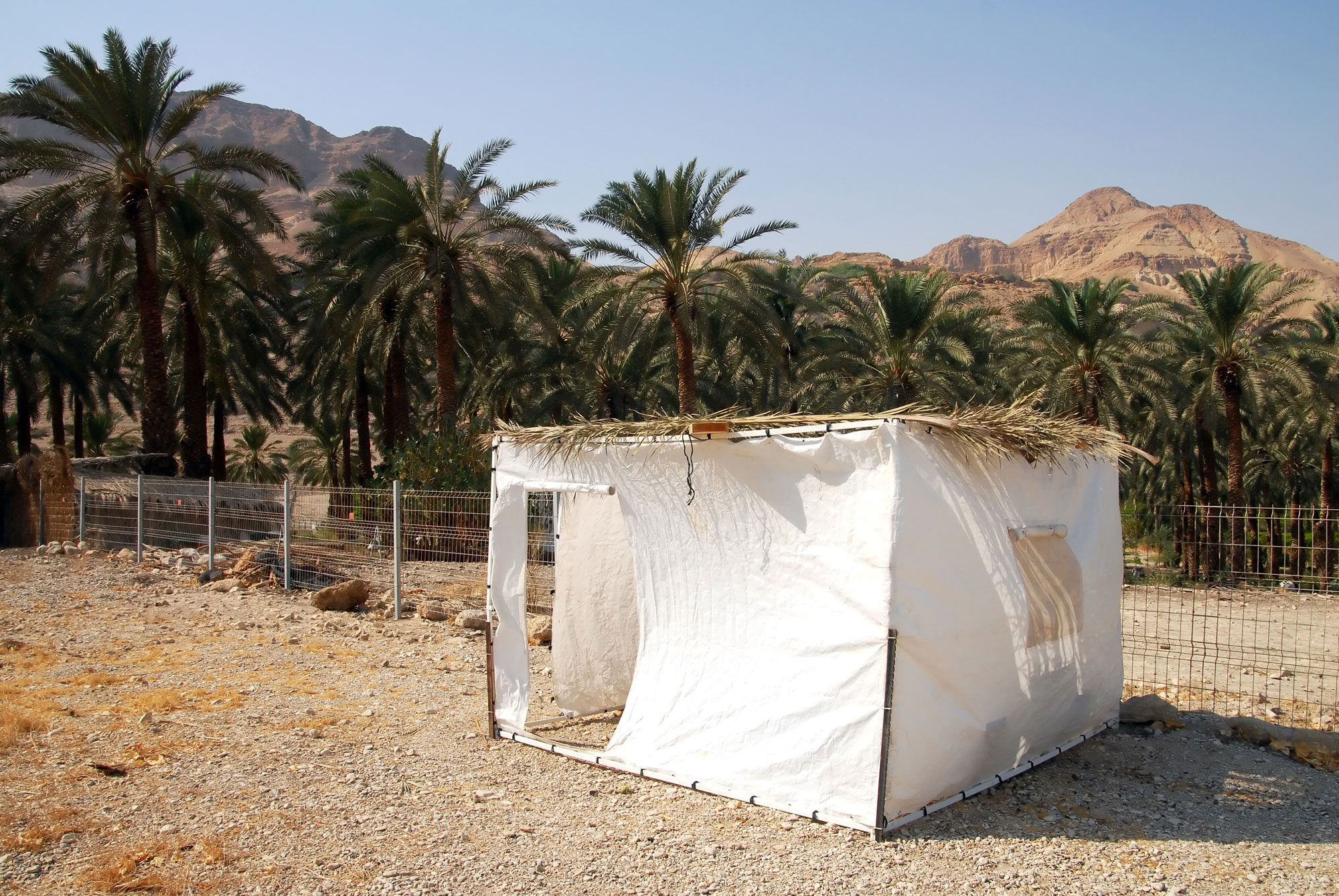
What is Sukkot?
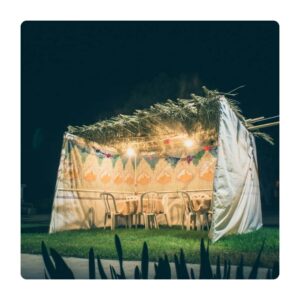
Sukkot, the Feast of Tabernacles, is a week-long feast during which the Jewish community builds temporary shelters (sukkot means “booths” in Hebrew) to remind each generation that our forefathers lived as nomads, wandering in the desert for forty years (Leviticus 23:42-43). The Bible also refers to this holiday as the Feast of Ingathering, which celebrates the final reaping of the crops at the end of the harvest (Exodus 23:16).
In the first century, the priests would take a pitcher of water from the pool of Siloam and pour it out on the altar, following an elaborate processional up the hill to the Temple Mount. This ceremony occurred every day of the festival, with the most extravagant procession on the final day. The pouring of the water expressed Israel’s hope for future rains to produce an abundant harvest. According to the Talmud, this tradition is derived from Isaiah 12:3, “Therefore you will joyously draw water from the springs of salvation.”
On the last day of Sukkot, possibly at the time of this final procession, Jesus stood in the midst of the people and declared, “If anyone is thirsty, let him come to Me and drink. He who believes in Me, as the Scripture said, ‘From his innermost being will flow rivers of living water’” (John 7:37-38). When He said this, some declared, “This is the Messiah” (John 7:41).
Free Video Course
Sukkot Is the Finale of the High Holy Days
Sukkot is the most joyful feast of the Jewish year, a week of dwelling in temporary shelters and remembering God’s faithful provision in the wilderness. Discover its deeper meaning and how it points to Yeshua. Register for our free course on the Jewish Fall Holidays today.
Lesson 8
Sukkot and God’s Presence
Sukkot and the Messiah
Anticipation for the Messiah
Anticipation for the arrival of the Messiah reaches its height during Sukkot. The prophet Zechariah speaks of a time when God will fight and defend His people when the nations gather against Israel (Zechariah 14:1-9). After God establishes peace, all the nations will then travel to Jerusalem to worship God during Sukkot (Zechariah 14:16). Sukkot looks forward to the day when God will establish His Kingdom and all nations will join together to worship Him.
Sukkot in the New Testament
Sukkot also looks forward to the day when God will dwell in the midst of His people. When John introduced Yeshua as the Messiah, he said, “And the Word became flesh, and dwelt among us, and we saw His glory, glory as of the only begotten from the Father, full of grace and truth” (John 1:14). The word “dwelt” can also be translated “took up temporary residence.” This same word in Greek is used to translate the Hebrew word, sukkot.
When Jesus revealed His glory to Peter, James, and John on the top of a mountain, Peter asked to build three temporary dwellings (sukkot), one each for Jesus, Moses, and Elijah (Matthew 17:1-13). Peter’s desire to build temporary dwellings is an allusion to Sukkot, and represents a request for Jesus to establish His Messianic Kingdom.





Teaching Children about God’s Appointed Times
The Olive Tree House: Feast of Tabernacles
Shalom! Thank you for your interest in the Feast of Tabernacles, or Sukkot. This short lesson plan will help you and your family understand this important Jewish holiday and how it points to Jesus—the One who “tabernacled” among us (John 1:14).
Take These Insights Home
Resources to help you live out the bold trust God calls us to embrace
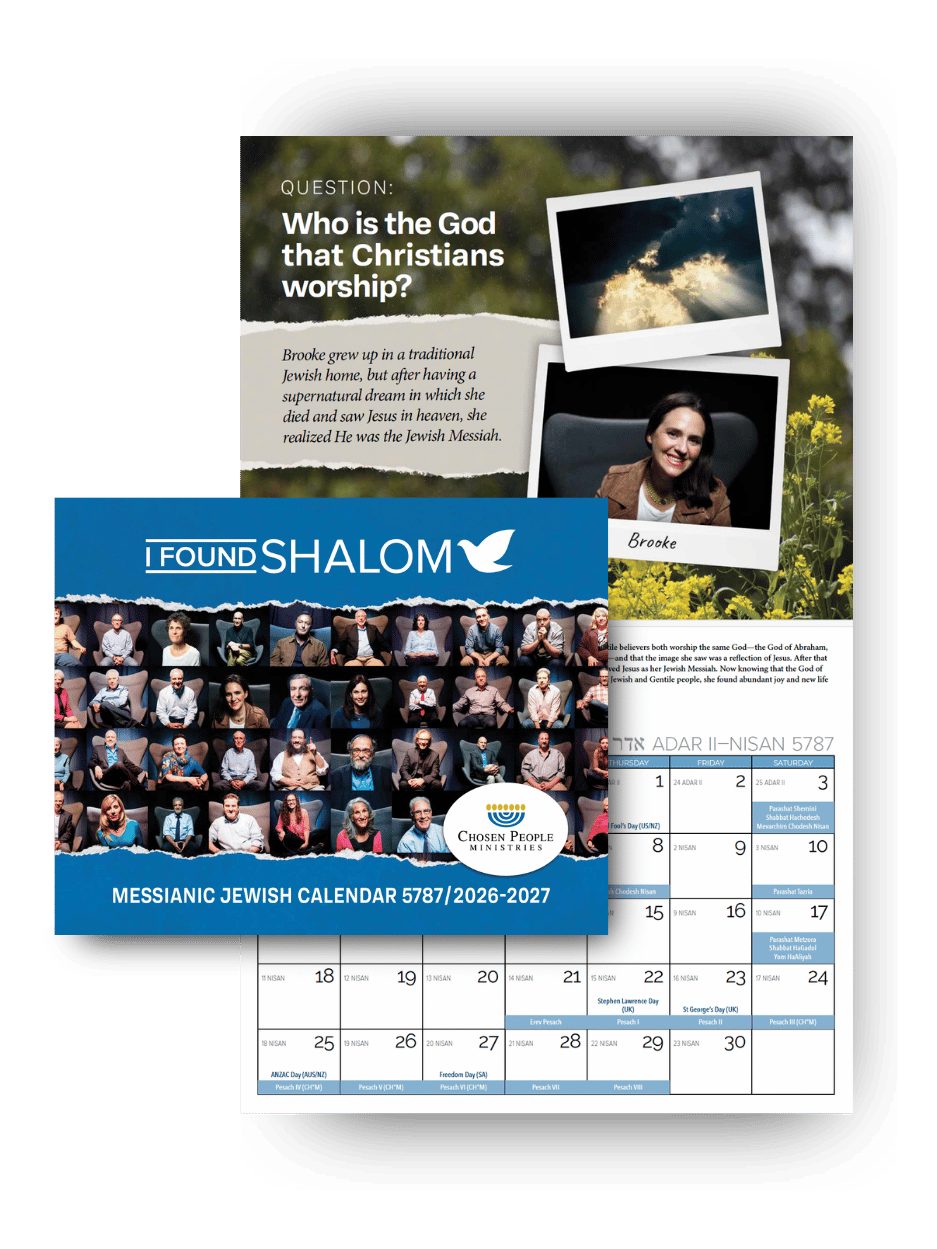
2026-2027 Messianic
Jewish Calendar
“I Found Shalom” is a Messianic Jewish calendar for the Hebrew year 5787 (September 2026–August 2027). Each month you will meet a Jewish believer and discover their journey to the Messiah.
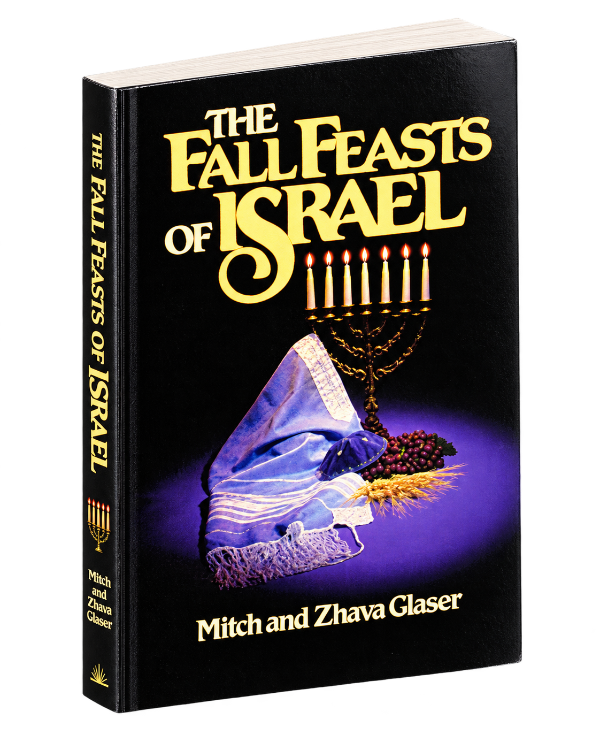
The Fall Feasts of Israel
The Fall Feasts of Israel explores three of Israel’s most significant festivals: Rosh Hashannah, Yom Kippur, and Sukkot. It includes a complete examination of each feast, its biblical institution, its celebration in the time of Jesus, and how it is observed today.

Israel’s Holy Days in Type and Prophecy
A Jewish believer in Jesus examines the festivals of Leviticus 23, their history, their present celebration in the synagogue and home, and their prophetic fulfillment.
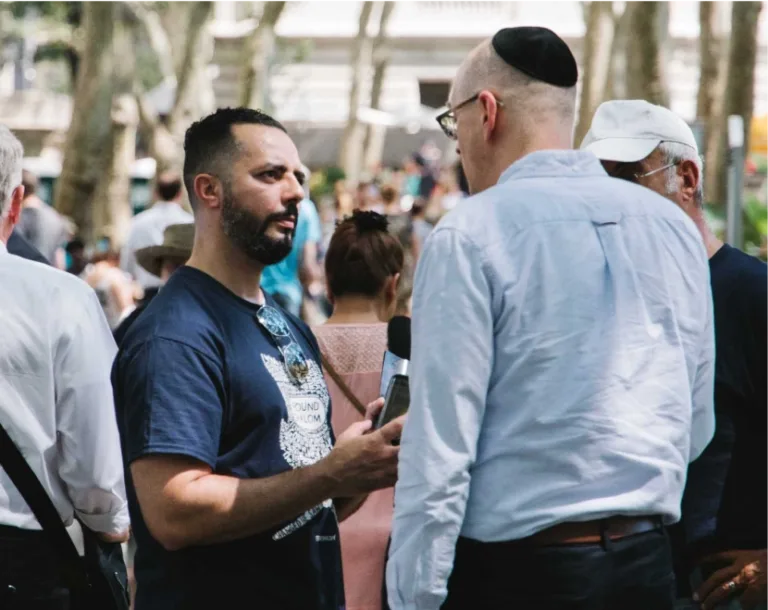
Risking Everything to Reach the Jewish People
For 132 years, Chosen People Ministries has taken the risk of faithful witness, even when it wasn’t comfortable or convenient. Today, with our 25 staff members serving in Israel during dangerous times, we continue to step out in faith because we’ve learned what Abraham discovered: God’s provision often comes after taking the bold step to risk everything.
Faith doesn’t guarantee safety—but it’s the only way to truly follow God and see His kingdom advance in impossible places.