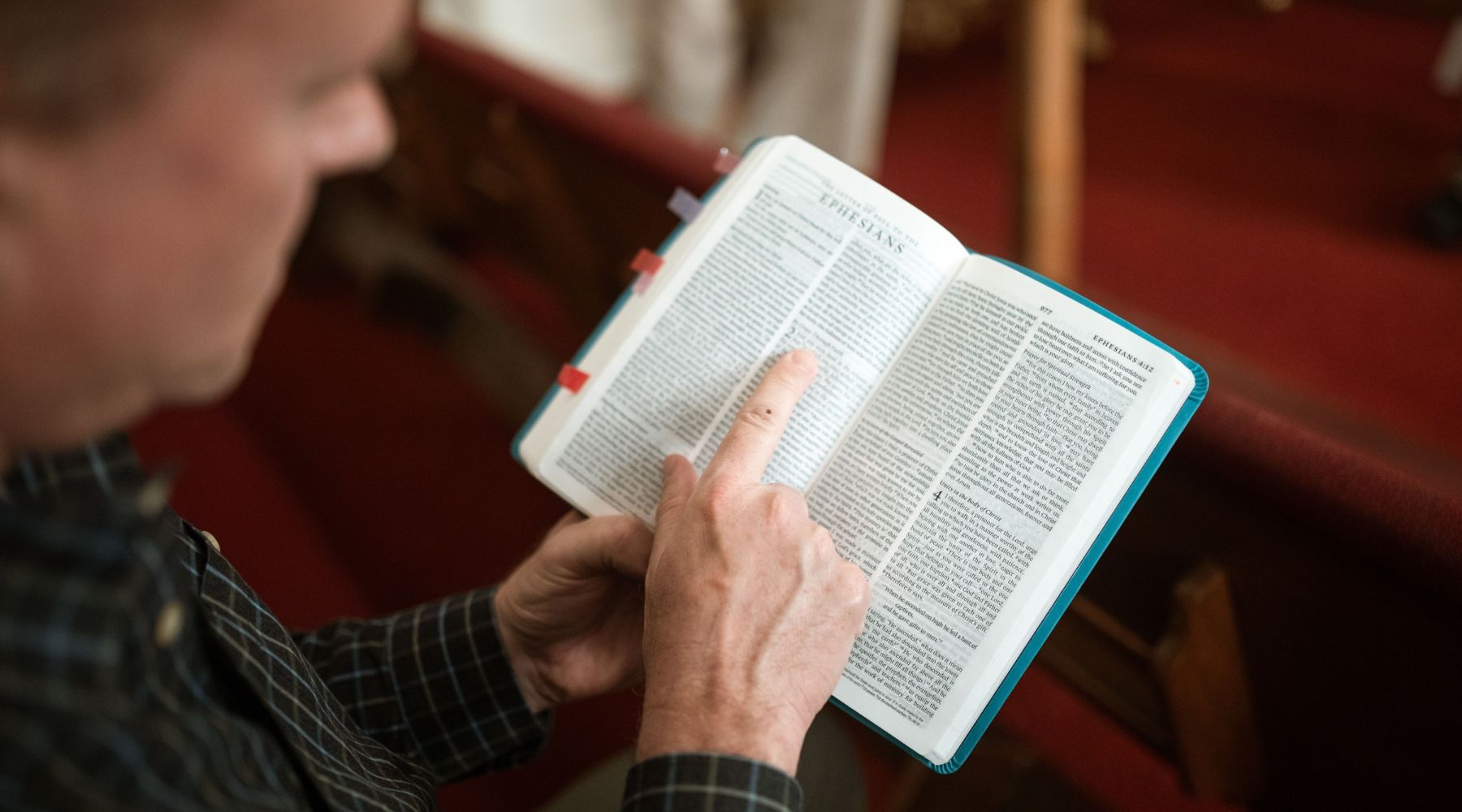
The apostle Paul (Rabbi Saul of Tarsus) opens Ephesians 2:4–7 not with a command, but with a declaration: “But God, being rich in mercy, because of His great love with which He loved us. . . .” One of the most frequently used Hebrew words for “mercy” is rachamim, which comes from the same root as rechem, meaning “womb.” It is this mercy that carries us, protects us, and gives us life before we have done anything with it, just like in our mother’s womb.
It is this same mercy that Moses encountered at Sinai when the Lord passed before him and proclaimed His name: “The Lord, the Lord God, compassionate (rachum) and gracious, slow to anger, and abounding in lovingkindness and truth” (Exodus 34:6). Paul is not introducing a new idea to his readers; he is showing that the God of Israel has always been characterized by mercy that runs ahead of judgment.
For those of us in the Messianic movement, this matters deeply. We do not read Ephesians as introducing a foreign concept of grace into what some might call a “legalistic” Judaism. Rather, we read it as the blossoming of what was already planted in the Torah and the prophets: namely, a mercy that chooses, pursues, and restores.

Paul follows his declaration with a diagnosis that is quite blunt: “even when we were dead in our transgressions” (Ephesians 2:5a). He is not referring to a sickness; it is death. No amount of good deeds or self-improvement can raise a corpse. Only the One who breathes life into dry bones can do that. Ezekiel’s vision of Israel’s valley of dry bones in Ezekiel 37 finds its personal fulfillment here. What God promised to do corporately for Israel’s restoration, He does individually for every person united to Messiah Yeshua—Jesus. He breathes spirit and life into that which was dead.
This resurrection power is why the phrase “made us alive together with Messiah” (Ephesians 2:5b) is so significant. Our new life is not detached from Jesus’s own resurrection; it is bound up with it. His empty tomb becomes the pattern and the power of our own new life, the source of which Paul says is because “by grace you have been saved” (Ephesians 2:5c). Just as He was raised, so we are raised.
Notice how when Scripture says God “raised us up with Him” and “seated us with Him in the heavenly places” (Ephesians 2:6), it is written as an accomplished reality. In Jewish thought, sitting often signifies rest and authority; a king sits on his throne once his enemies are subdued. To say believers are already seated with Messiah is to say that the ultimate victory, though not yet fully visible, is already assured.
Paul tells us the purpose of all this is “so that in the ages to come He might show the surpassing riches of His grace” (Ephesians 2:7). The phrase “ages to come” reflects the Jewish concept of the world to come. God’s mercy toward us now is a down payment and a preview of what He intends to display for all eternity. Our salvation is not merely about escaping God’s wrath; it is about becoming a living display of God’s kindness forever.
This passage was written to a congregation of Jewish and Gentile believers together, and just a few verses later Paul will describe the “barrier of the dividing wall” being broken down in Messiah (Ephesians 2:14). The mercy described here is not reserved for just one people; it’s the same mercy promised to Abraham’s seed now reaching all the other nations, too, without God going back on His word to Israel.
Every image in this passage answers the same question: What does mercy actually accomplish? It does not merely forgive a debt—it reaches into the grave, and like Lazarus being raised, calls out a living person to come forth. The mercy that carried us like a mother’s womb is the same mercy that raised us with Messiah, seated us with Him, and is now writing us into His story that is still being told.

- Table of contents
-
From Mitch's DeskOne Name, One King, One People: What Zechariah’s Vision of the Kingdom Means for Us Today
-
ArticleJewish Testimonies and Objections to Messiah
-
ArticlePaul’s Prayer for the Saints: Ephesians 1:18—23
-
ArticleRich in Mercy: Ephesians 2:4–7
-
President's LetterHosting Israeli’s Around the World
-
-
-
Ministry News Briefs

Sign up to receive our email newsletters
Get the latest news from Israel, insights from Dr. Mitch Glaser, international ministry reports, as well as videos and podcasts, downloadable resources, discounts in our online store, and much more!